
Piptadenia gonoacantha
Piptadenia gonoacantha
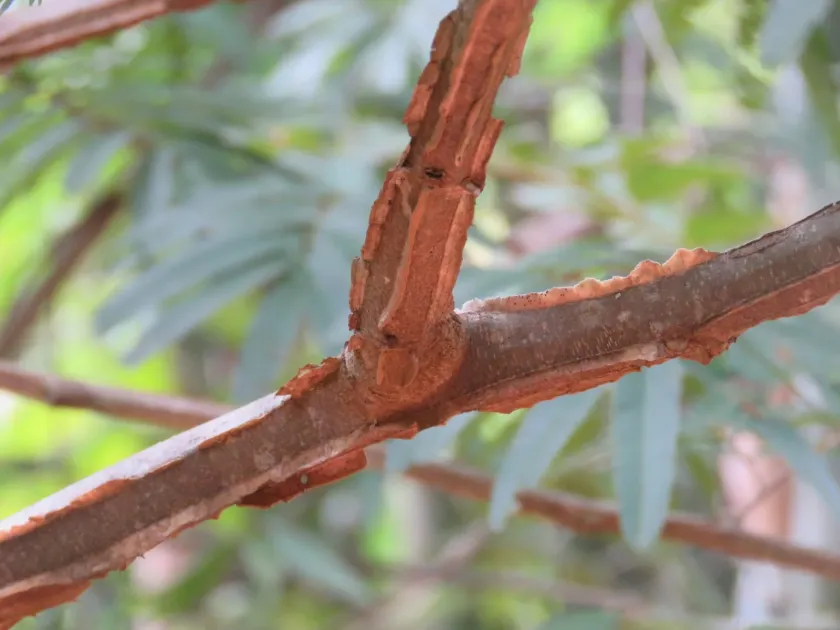
Description
Growing requirements
Piptadenia gonoacantha is a fast-growing tree species belonging to the Fabaceae family. Native to the Atlantic Forest of Brazil, it is widely recognized for its ecological importance and its role as a pioneer species in forest succession and natural regeneration processes.
The tree thrives in tropical and subtropical climates characterized by high temperatures and significant annual rainfall. It requires full sunlight to achieve its maximum growth rate, making it unsuitable for shaded areas during the establishment phase of development.
Regarding soil requirements, this species performs best in deep, well-drained soils. While it can tolerate a variety of soil types, it shows optimal growth in nutrient-rich substrates that allow for healthy root expansion and prevent prolonged waterlogging, which can be detrimental.
Agronomic management involves careful selection of seeds and appropriate pre-sowing treatments. Mechanical scarification is often employed to break seed dormancy and ensure uniform germination rates, which is essential for successful nursery production of saplings.
The species is highly valued in agroforestry and reforestation projects due to its nitrogen-fixing capabilities. By symbiotic association with soil bacteria, it improves soil fertility, thereby supporting the growth of other plant species within the same ecosystem.
Yield
The wood yield of Piptadenia gonoacantha is substantial due to its rapid biomass accumulation. The resulting timber is dense, durable, and widely utilized in construction, carpentry, and the manufacture of high-quality furniture, providing significant economic value.
Main diseases and pests
Key threats include infestations by specific tropical insect pests that target the foliage, as well as fungal pathogens that can affect the bark under improper humidity conditions. Integrated pest management strategies are recommended to maintain healthy plantations.