
Piptadenia flava
Piptadenia flava
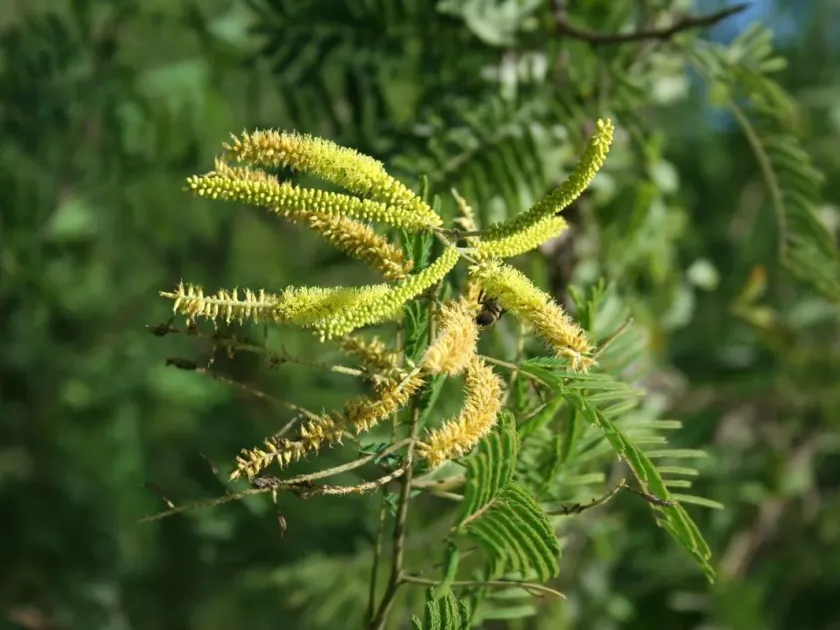
Description
Growing requirements
Piptadenia flava is a perennial woody species belonging to the Fabaceae family. Native to tropical American landscapes, this plant plays a significant role in its local ecosystem, often found in dry forest areas or transitional vegetation zones.
The species thrives in well-drained, sandy or gravelly soils that are common in its natural habitat. It displays a notable tolerance for seasonal droughts, which is a critical evolutionary adaptation allowing it to survive in regions with erratic rainfall patterns.
Temperature requirements are centered on consistently warm tropical conditions. The plant is highly heliophilic, meaning it requires full exposure to sunlight to reach its maximum growth potential, which should be considered when planning agroforestry setups.
One of the primary benefits of Piptadenia flava is its ability to fix atmospheric nitrogen through symbiotic relationships with root bacteria. This biological process significantly enhances soil fertility, making the plant an excellent candidate for land reclamation and soil improvement projects.
Agricultural management of this crop focuses on sustainable land use and reforestation. Its rapid development and structural contribution to the soil make it an invaluable resource in tropical agriculture, where maintaining soil nitrogen levels is a constant challenge for farmers.