
Piptadenia paraguayensis
Piptadenia paraguayensis
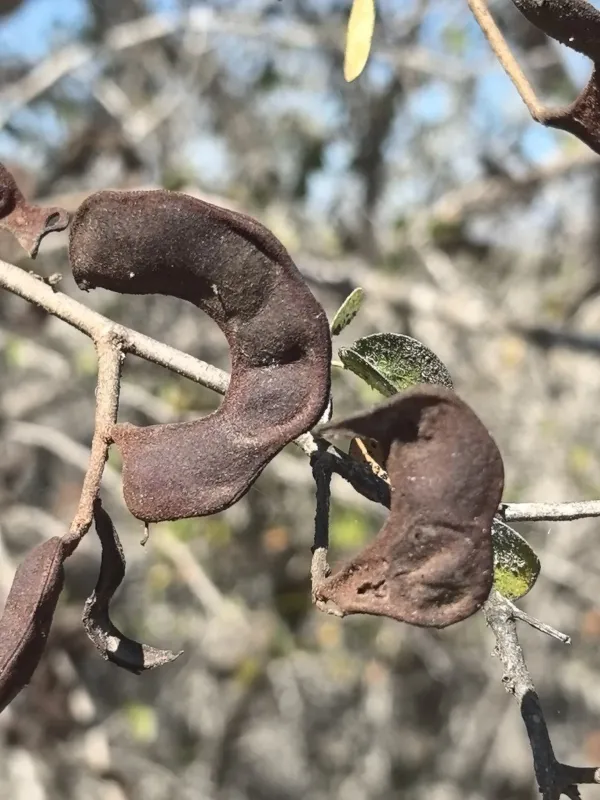
Description
Sowing dates
Sowing seeds of Piptadenia paraguayensis in its natural range is typically timed to coincide with the beginning of the rainy season. The optimal time for establishing nurseries is during the spring, when the soil is warm and adequately moist, ensuring high germination energy.
Seed scarification is recommended before sowing, as the dense coat of the legumes often inhibits germination. Soaking the seeds in warm water for 12–24 hours significantly accelerates the emergence of sprouts.
The sowing depth is usually between 1 and 2 centimeters. In commercial cultivation, a container method is preferred, as it minimizes stress during the subsequent transplantation of seedlings to their permanent location.
Young trees are planted in plantations once they reach a height of 30–40 centimeters. It is crucial to adhere to planting patterns that ensure sufficient light availability for young plants during their first years of growth.
Early-stage care for the seedlings includes regular weeding and mulching of the tree circles. This practice helps retain soil moisture and suppresses the growth of weeds that compete with the young crops.
Growing requirements
Piptadenia paraguayensis belongs to the Fabaceae family and is a tree native to tropical and subtropical regions of South America. It prefers well-drained soils and is frequently found in gallery forests and along river valleys.
The plant has a high requirement for sunlight and does not tolerate heavy shade well. Optimal growth conditions include stable temperatures without sharp frosts, which restricts its cultivation zone to the tropical belt.
The culture demonstrates moderate resistance to short-term drought; however, for maximum biomass gain, stable irrigation during the growing season is required. High atmospheric humidity contributes to more vigorous crown development.
Soil requirements include an adequate amount of organic matter. While the tree can grow on relatively poor substrates, the application of complex fertilizers during early growth stages allows for a significant reduction in the time to reach technical maturity.
For successful acclimatization, it is important to provide protection from strong winds in the first years after planting. Piptadenia is valued for its nitrogen-fixing ability, which improves soil fertility in the long term.
Yield
The economic use of Piptadenia paraguayensis is primarily focused on obtaining valuable timber. Its wood is distinguished by high density, strength, and resistance to insect damage, making it highly sought after in the furniture industry.
Beyond building materials, this tree is considered a promising crop for the reforestation of degraded lands. Its rapid growth in the early stages of life allows for the effective restoration of vegetation cover.
In some regions, the plant is used in traditional medicine, utilizing the bark and seeds. However, commercial importance is mainly concentrated on the volume of timber yield per unit area of the plantation.
With intensive care, timber yields can be comparable to other valuable leguminous tree species grown in tropical conditions. Productivity depends on planting density and the quality of the soil cover.
A promising direction is the use of this species for creating protective shelterbelts. This allows for the combination of commercial timber production with the protection of agricultural fields from erosion and drying winds.
Main diseases and pests
Major threats include leaf-eating insects that can infest young seedlings in nurseries. Monitoring pest populations allows for the timely application of biological control methods.
Fungal diseases of the root system pose a risk in conditions of excessive soil moisture. Preventing water stagnation and ensuring good soil aeration are key preventative measures.
Parasitic plants can inhabit adult individuals, slowing their growth. Regular inspection of the stands and the removal of affected areas help maintain the health and productivity of the trees.
Sudden climate changes accompanied by abnormal humidity create favorable conditions for the development of bacterial leaf spots. Sanitary treatments are conducted upon the detection of initial signs.
Anthropogenic factors also pose a threat: uncontrolled logging without subsequent renewal leads to the exhaustion of natural resources. Adherence to sustainable management rules is essential for preserving this valuable species.