
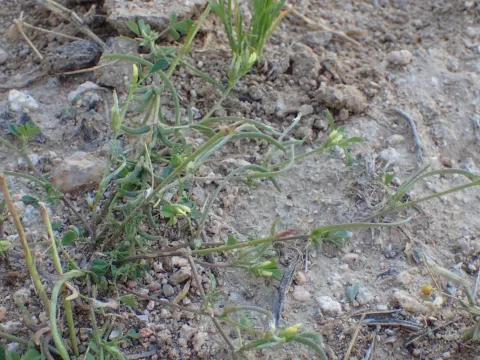
Medicago polyceratia
Medicago polyceratia
Medicago polyceratia belongs to the Fabaceae family and is an important leguminous crop. Sowing is typically carried out in early spring as soon as soil temperatures allow for active germination, usually around 5–8 degrees Celsius.
What the section contains
Medicago polyceratia
Proper seedbed preparation is vital for success; the soil must be fine-grained and firmed to ensure adequate moisture contact with the seeds. Shallow sowing at a depth of 1.5 to 3 centimeters is recommended.
Seeding rates range from 12 to 16 kg per hectare, depending on soil type and the specific purpose of the planting. High-quality seed with high germination energy should be used to minimize the need for reseeding.
In regions with mild winters, autumn sowing can be performed to allow for early emergence the following spring. This technique relies on sufficient moisture and is often used to get the crop established before summer heat.
If sowing into mixtures, it is essential to adjust the seed rate to prevent the more aggressive companion crops from suppressing the Medicago development in the crucial early stages.
This crop requires full sun exposure and performs poorly in shaded environments. It thrives in well-drained, neutral to slightly alkaline soils, making it unsuitable for highly acidic or waterlogged ground.
Its deep taproot system provides excellent drought tolerance, allowing it to survive in regions with sporadic rainfall. Optimal growth temperatures range between 20 and 25 degrees Celsius during the vegetative season.
Soil nutrient status is critical, particularly regarding phosphorus and potassium levels, which are necessary for the development of nitrogen-fixing root nodules. Fertilizer application should be based on soil testing results.
Good soil aeration is necessary to prevent root diseases caused by oxygen deprivation in heavy or compacted soils. Implementing subsoiling or proper plowing helps maintain soil health.
In addition to climate, the presence of specific soil bacteria (rhizobia) is essential for efficient nitrogen fixation, so inoculation of seeds is recommended if the field has not been planted with legumes recently.
Fungal diseases like anthracnose and various leaf spots are primary threats to crop health. These pathogens often thrive in conditions of high humidity, poor air circulation, and overly dense planting.
Insect pests, including the alfalfa weevil and various species of aphids, can significantly reduce both biomass yields and seed production. Timely monitoring is required to detect early infestation signs.
Cultural control measures, such as maintaining appropriate harvest cycles and crop rotation, are effective in reducing the pressure from most common pests and soil-borne diseases.
Weed management during the establishment phase is essential for crop survival. As the plant grows slowly in its first year, it can be easily outcompeted by aggressive grasses or broadleaf weeds.
Integrated pest management (IPM) practices, combining biological control agents and carefully timed chemical interventions, are recommended to preserve the forage quality and minimize environmental impact.