
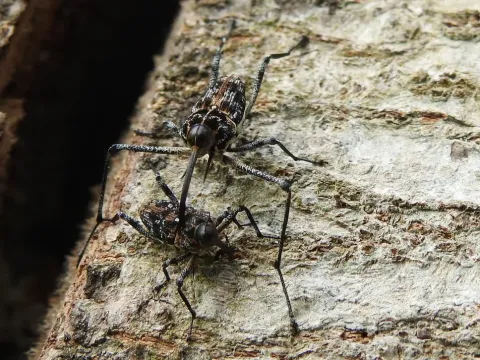
Mecopus
Mecopus
Mecopus is a genus belonging to the Fabaceae family, encompassing plants with specific environmental needs. Proper sowing techniques are essential for establishing a viable crop stand and ensuring long-term plant health.
What the section contains
Mecopus
The timing of sowing must be synchronized with local weather patterns, ensuring that the soil is sufficiently warm to support germination. Late frosts can cause significant damage to young seedlings, making precise planning necessary.
Seed treatment, such as scarification, is highly recommended to overcome seed coat dormancy. This preparation ensures more uniform germination rates and reduces the time seedlings are exposed to early-stage threats.
Sowing depth should be carefully controlled, typically ranging from 2 to 4 cm depending on soil texture. Planting too deep can prevent emergence, while planting too shallow may lead to desiccation.
Optimal plant density is achieved by following specific spacing guidelines between rows. This ensures that each plant receives adequate access to nutrients, water, and sunlight throughout its growth cycle.
Mecopus plants thrive in well-drained, fertile soil. They exhibit a low tolerance for waterlogging, which often leads to root rot and other physiological disorders. Ensuring proper soil drainage is a top priority.
These plants are photophilic, requiring exposure to direct sunlight for the majority of the day. Shade management is crucial, as any restriction of light will negatively impact biomass production and flower formation.
Temperature requirements are generally moderate, with the plants preferring stable environments without extreme fluctuations. Sudden cold snaps or intense heatwaves can induce stress and disrupt metabolic processes.
Soil fertility management should focus on maintaining adequate levels of phosphorus and potassium. While these plants are nitrogen-fixing, supplemental nutrition may be required depending on initial soil analysis results.
Cultivation practices must include consistent weed management to prevent competition. Maintaining a clean field during the early growth stages is vital for the crop to establish a competitive advantage.
The primary threats to Mecopus are soil-borne fungal pathogens that proliferate in overly moist conditions. Improving soil aeration and managing irrigation are the most effective preventative measures against root diseases.
Insect pests, particularly leaf-feeding beetles, can cause significant damage to the plant's photosynthetic apparatus. Scouting for early signs of infestation is necessary to prevent significant yield losses.
Aphid colonies may also establish on younger tissues, leading to stunted growth and leaf curling. Integrated pest management strategies, utilizing both biological and chemical controls, are recommended when thresholds are met.
Crop rotation is a fundamental practice to break the life cycles of soil-dwelling pests and pathogens. Avoid planting Mecopus in fields previously used for other Fabaceae crops to reduce disease pressure.
Maintaining strong, vigorous plants through proper nutrition and water management significantly increases their natural resistance to most common pests and environmental stressors.