
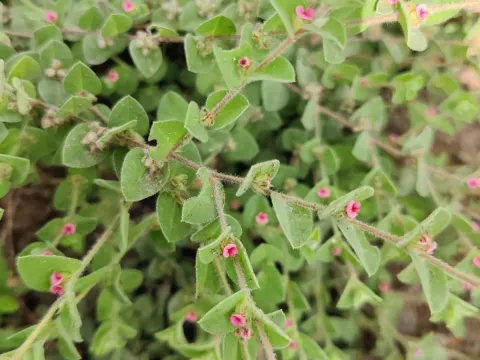
Indigofera cordifolia
Indigofera cordifolia
Indigofera cordifolia is a perennial herbaceous plant belonging to the Fabaceae family, recognized for its exceptional resilience in arid and semi-arid environments.
What the section contains
Indigofera cordifolia
The successful establishment of this crop requires light, well-draining soils, as the plant is highly sensitive to waterlogging during its early developmental stages.
Sowing should ideally coincide with the onset of the rainy season, allowing seedlings to capitalize on natural moisture for developing a robust taproot system.
Seeds are typically sown in rows with spacing of approximately 30 centimeters to ensure adequate space for biomass accumulation in nutrient-limited environments.
Post-seeding compaction is recommended to enhance seed-to-soil contact, which accelerates germination and promotes uniform field emergence within a week of adequate rainfall.
This crop exhibits remarkable tolerance to high temperatures and prolonged drought conditions, making it an excellent candidate for cultivation in challenging climates.
The plant thrives in sandy or loamy soils with neutral to slightly alkaline pH levels, performing well in areas where traditional legumes struggle to grow.
Indigofera cordifolia requires significant sunlight and does not tolerate heavy shading, making it unsuitable for intercropping with tall, fast-growing canopy crops.
A crucial factor for growth is the presence of compatible nitrogen-fixing bacteria in the soil, which form symbiotic nodules to provide the plant with atmospheric nitrogen.
While the crop is not heavy-feeding, supplemental phosphorus application can be beneficial during the active growth phase to boost flowering and seed production.
The yield potential of Indigofera cordifolia is primarily dictated by seasonal rainfall, typically ranging from 2 to 4 tons of dry matter per hectare.
It is highly valued for its protein content, serving as a vital forage component for ruminants in regions where high-quality green fodder is seasonally scarce.
The foliage retains high nutritional value even as it dries in the field, providing a reliable source of nutrition during periods when fresh grazing is unavailable.
Its ability to regrow vigorously after harvesting allows for multiple cuttings within a single growing season, provided that soil moisture remains sufficient.
Beyond hay production, the crop is widely utilized for grazing, offering a sustainable way to manage rangelands and improve livestock diet quality in dry zones.
Root rot is the most common pathological issue, often triggered by poor drainage or excessive soil moisture, which necessitates careful irrigation management.
Various insect pests, including beetles and weevils, can significantly damage the leaf tissue, reducing the plant's overall photosynthetic capacity and vigor.
Powdery mildew may occur under conditions of high humidity combined with poor air circulation, leading to premature leaf drop and decreased forage quality.
Lepidopteran larvae pose a recurring threat to foliage, requiring regular field monitoring and integrated pest management strategies to avoid substantial yield losses.
Maintaining crop rotation practices and ensuring fields are free from excessive weed competition are primary methods to mitigate disease pressure and pest infestations.
The optimal harvest time for hay production is during the peak flowering stage, when the nutrient profile is most favorable for livestock consumption.
Mechanical harvesting is generally performed at a cutting height of 5 to 7 centimeters to stimulate rapid regrowth and prolong the productive lifespan of the stand.
Care must be taken during the drying process to prevent overexposure to intense sun, which can cause leaf shatter and loss of valuable protein-rich plant material.
Seed harvesting should occur when pods have fully matured and darkened, utilizing combine settings that minimize seed trauma and ensure high purity of the harvest.
Harvested biomass requires storage in dry, well-ventilated structures to prevent microbial contamination, mold growth, and spontaneous heating during long-term storage.