
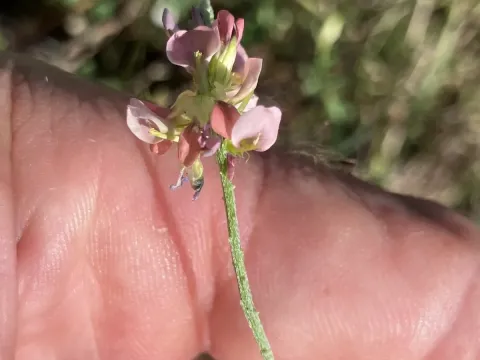
Indigofera costata
Indigofera costata
Planting Indigofera costata should be scheduled after the danger of late frost has passed, as the plant requires stable warm conditions to germinate effectively.
What the section contains
Indigofera costata
The ideal planting time is early spring, ensuring the soil retains sufficient moisture to facilitate consistent and rapid seedling emergence across the field.
Seed scarification is highly recommended before sowing to bypass the natural dormancy of the seed coat, significantly improving the germination rate in soil.
Seeds should be planted at a depth of two to three centimeters, which provides the necessary coverage for protection while allowing easy access to warmth.
If being used as a cover crop or green manure, seeding can also be conducted during early summer to maximize biomass production before the cool season arrives.
Indigofera costata, a member of the Fabaceae family, thrives in environments with high levels of direct sunlight and minimal shading from surrounding vegetation.
The plant performs best in well-drained, sandy loam soils with a neutral pH level, showing high sensitivity to waterlogged or heavy clay environments.
Known for its robust taproot system, this species exhibits excellent drought tolerance, allowing it to sustain growth in arid and semi-arid conditions.
Optimal growth occurs at temperatures ranging between 22 and 30 degrees Celsius, requiring a consistent warm period throughout the active growing season.
Incorporating symbiotic nitrogen-fixing bacteria into the soil during planting is essential for maximizing both plant health and the overall soil nitrogen content.
The biomass yield of Indigofera costata is significantly influenced by soil nutrient management and the frequency of irrigation during dry spells.
Proper plant density management ensures that the crop achieves maximum canopy closure, preventing weed competition and optimizing overall biomass output per hectare.
Seed yield varies depending on the success of the flowering phase and the presence of pollinators, which play a crucial role in successful seed set.
Irrigation practices in semi-arid regions can lead to a substantial increase in forage quality and volume, making it a reliable crop for sustainable farming.
The ability of the plant to enrich the soil with atmospheric nitrogen makes it a valuable rotational crop that improves the yields of subsequent plantings.
Root rot is the primary threat to Indigofera costata, particularly in poorly drained soils where stagnant water can facilitate the growth of harmful pathogens.
Leaf-eating insects and aphids can cause damage during the early developmental stages, potentially checking the growth of young and vulnerable seedlings.
Powdery mildew may occur under conditions of high humidity combined with poor air circulation, which can reduce the photosynthetic efficiency of the leaves.
Integrated pest management, including the use of beneficial predatory insects, is recommended to keep pest populations below the economic injury level.
Crop rotation and selecting resistant cultivars are the most effective strategies for preventing the long-term buildup of soil-borne pathogens in the field.
Harvesting for green manure should occur during the peak flowering stage to ensure the highest nutrient concentration is incorporated back into the soil.
For seed production, harvesting must take place when the pods are mature and exhibit a brownish tint, signaling that the seeds have reached maximum vigor.
Avoid leaving the crop in the field for too long after maturity, as dry pods may spontaneously split, causing significant yield losses due to seed shattering.
Proper post-harvest drying is essential to prevent moisture-related quality loss, especially when the biomass is intended for storage or immediate animal feed.
Using appropriately calibrated harvesting machinery helps to maintain high seed integrity and purity during the threshing process of the harvest.