
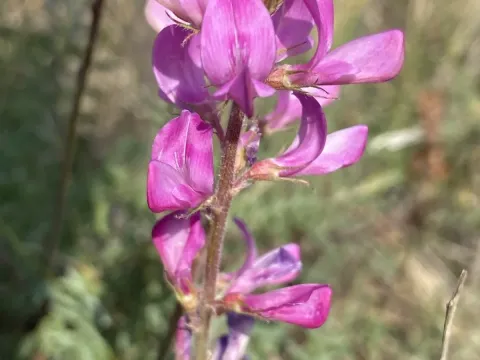
Hedysarum ucrainicum
Hedysarum ucrainicum
Seeds of Hedysarum ucrainicum possess a hard seed coat, which necessitates scarification before sowing to enhance germination rates. The ideal time for planting is early spring, as soon as the soil is workable, allowing the plant to utilize stored moisture for rapid seedling establishment.
What the section contains
Hedysarum ucrainicum
Seeding rates generally range from 15 to 20 kilograms per hectare depending on the sowing method and soil conditions. Maintaining a planting depth of 2 to 3 centimeters is crucial to ensure that the delicate seedlings emerge successfully without depleting their internal nutrient reserves.
Belonging to the Fabaceae family, this perennial herb develops a robust root system that stabilizes soil structure. This makes it an excellent choice for erosion control in agricultural landscapes and sloping fields where soil stability is a priority.
During the first year, growth is typically focused on underground biomass and the establishment of a leaf rosette. Weed management is of paramount importance during this period, as the young plants are sensitive to competition from aggressive weeds.
The plant exhibits remarkable winter hardiness, allowing it to withstand severe climatic fluctuations. Once established, it remains a stable and productive component of the pasture or meadow, ensuring high reliability for forage production.
Hedysarum ucrainicum thrives in well-drained soils, showing a preference for black earths or loam with neutral to slightly alkaline pH. It avoids poorly drained areas where waterlogging can lead to root rot and diminished vigor of the nitrogen-fixing nodules.
This crop is highly light-demanding and should only be grown in open, sunny locations to ensure peak photosynthetic activity. Any form of shading or competition from tall weeds will significantly reduce the quality and volume of the green biomass produced.
Characterized by extreme drought resistance, the plant can extract water from deeper soil profiles, which is a major advantage in arid or semi-arid agricultural regions. This trait ensures continued growth even during seasonal dry spells when other crops might wilt.
Balanced fertilization, particularly with phosphorus and potassium, is recommended to support root health and winter survival. Nitrogen fertilization is rarely needed because the plant effectively fixes atmospheric nitrogen, thus improving the overall fertility of the soil.
As a predecessor in crop rotation, it serves to improve the physical properties of the soil and enriches it with organic matter. Farmers frequently incorporate this legume into rotation cycles to revitalize fields and prepare them for subsequent cereal crops.
Fungal diseases such as powdery mildew or various types of leaf spot can affect the crop, particularly under conditions of high humidity or poor field ventilation. Crop rotation and proper plant spacing are the primary preventive measures against such outbreaks.
Pests like weevils can damage the foliage and root systems, potentially reducing the overall plant population. Integrated pest management strategies, including monitoring and, when necessary, targeted insecticide applications, are used to control these populations.
Root rot represents a significant threat in areas with heavy or compacted soils, emphasizing the importance of selecting the right site for cultivation. Improving drainage and ensuring proper soil structure are effective ways to minimize the incidence of soil-borne pathogens.
Seed-eating insects can decrease the yield of high-quality seeds, which requires careful management during the flowering phase. Limiting chemical usage during this time is essential to protect the natural pollinator populations that are vital for seed development.
Overall, Hedysarum ucrainicum demonstrates good natural resistance to many common agricultural diseases. Maintaining a high standard of agronomic care remains the best method for ensuring the longevity and productivity of the fields.
For high-quality forage, harvesting should occur at the beginning of the flowering stage, which ensures an optimal balance of protein and fibers. This timing results in the most palatable and digestible hay for cattle, sheep, and other livestock.
When harvesting for seeds, farmers must ensure the pods have fully matured and turned brown to guarantee maximum viability. Specialized harvesting equipment is recommended to minimize shattering losses and maintain the integrity of the seed crop during the threshing process.
The plant possesses strong regrowth potential after mowing, allowing for multiple cuts in a single season under favorable moisture conditions. It is important to leave enough time before the onset of winter for the plants to replenish their reserves for the next year.
As a notable honey plant, it serves as a valuable resource for local apiaries, adding extra economic value to the farming operation. The nectar produced during the blooming period contributes to both pollinator health and honey production quality.
Proper curing and drying of the harvested biomass are essential to prevent mold growth and nutrient loss during storage. Well-managed hay from Hedysarum ucrainicum is a prized concentrated feed, helping farmers maintain livestock health throughout the winter months.