
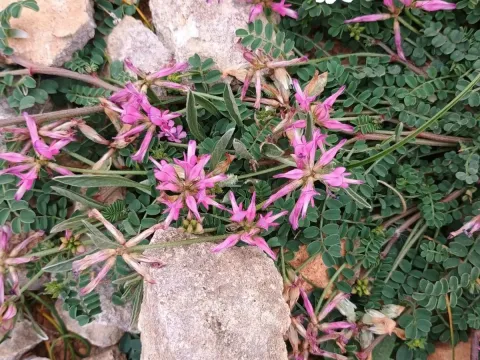
Hedysarum glomeratum
Hedysarum glomeratum
Hedysarum glomeratum is a perennial herbaceous plant belonging to the Fabaceae family. It is recognized for its significant role in forage production, particularly in regions with arid or semi-arid climates where other crops struggle to survive.
What the section contains
Hedysarum glomeratum
The plant features a well-developed root system that enables it to thrive in rocky and nutrient-poor soils. Its morphological structure, characterized by pinnate leaves and dense inflorescences, contributes to its high drought tolerance and overall resilience.
Optimal growth requires well-drained soils, preferably with a neutral or slightly alkaline pH. The plant is extremely sensitive to waterlogging, necessitating selection of fields with adequate elevation and minimal risk of seasonal flooding.
In agricultural practice, this legume is primarily cultivated for hay production and grazing. Its high nutritional content, including protein and amino acids, makes it an excellent component of animal feed, supporting livestock weight gain and productivity.
Beyond its feed value, the crop serves as a soil improver. Through its symbiotic relationship with nitrogen-fixing bacteria, it enhances soil structure and fertility, making it a sustainable choice for crop rotation and land reclamation projects.
Fungal diseases, such as leaf rust and powdery mildew, are the primary health risks for this species. These infections are typically favored by periods of high humidity and poor field ventilation during the spring months.
Insect pests, including various species of weevils and aphids, represent a constant threat during the vegetative stage. These pests feed on the leaves and stems, which can lead to reduced photosynthesis and overall yield losses.
Integrated pest management strategies are recommended to maintain field health. This includes the use of certified, clean seeds and the implementation of appropriate weeding programs to ensure the crop does not compete with weeds for resources.
Regular field scouting is essential to identify infestations early. In many cases, timely harvesting of the green mass can prevent the further development of pest populations by removing their habitat and food source before they reach reproductive stages.
Furthermore, maintaining soil fertility through minimal organic amendments helps strengthen plant immunity. Robust plants are significantly more resistant to environmental stressors and secondary pest attacks during the peak growth season.