
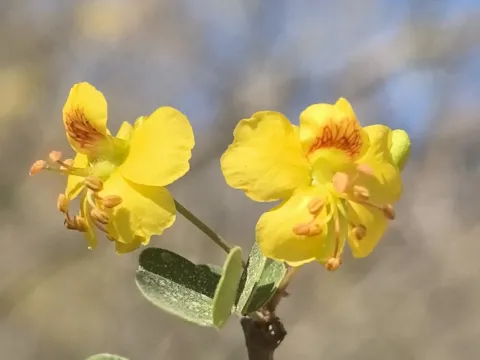
Haematoxylum brasiletto
Haematoxylum brasiletto
Haematoxylum brasiletto is propagated primarily through seeds, which must be sown shortly after maturity due to their relatively short viability. Direct sowing in prepared nursery beds is the most common and effective method for initial cultivation.
What the section contains
Haematoxylum brasiletto
Optimal germination requires consistent soil moisture and warm ambient temperatures. The onset of the rainy season provides the ideal environmental triggers for sowing seeds, ensuring that seedlings receive adequate hydration during their most vulnerable stage.
Seeds should be planted at a shallow depth of 1 to 2 centimeters in well-drained, nutrient-rich substrates. Proper spacing in seed trays or nursery beds is essential to prevent overcrowding and to promote healthy root development.
Transitioning seedlings to full sunlight should be done gradually to avoid foliage burn. Once the plants reach a height of 30 to 40 centimeters, they are typically ready for transplanting into their permanent field locations.
Regular but moderate watering is necessary during the early development phase to establish a robust root system. Care must be taken to avoid waterlogging, which can easily induce root rot and stifle growth.
As a member of the Fabaceae (legume) family, this species thrives in tropical climates characterized by distinct wet and dry seasons. It is not cold-hardy and will suffer significant damage or mortality if exposed to freezing temperatures.
The tree prefers well-drained soils, ideally with a neutral to slightly alkaline pH. It performs poorly in heavy, clay-rich soils that retain excessive water, as the species is highly susceptible to root-related pathogens in saturated conditions.
A temperature range of +22 to +30 degrees Celsius is optimal for sustained metabolic activity and growth. While the tree is highly drought-tolerant once established, growth rates are significantly accelerated with consistent water supply in early years.
High light exposure is essential, as Haematoxylum brasiletto is a sun-loving species. Adequate sunlight directly correlates with the concentration of pigments in the heartwood, which is the plant's primary commercial value.
Field management requires selecting sites that offer maximum sunlight penetration and good air circulation. These conditions help minimize the humidity-related disease risks that can affect tropical timber crops.
The primary yield from Haematoxylum brasiletto is its dense, resinous heartwood, which is prized for its natural dye properties and structural integrity. Economic maturity is generally reached after 15 to 20 years of growth.
Yield estimation is based on the volume and quality of the heartwood core. Strategic pruning in the early stages of development is crucial for encouraging a straight, cylindrical trunk, which maximizes the harvestable high-value wood volume.
The concentration of the dye pigment, known as brazilin, increases significantly with tree age. Consequently, immature trees are rarely harvested, as they do not provide the quality or yield of pigment required for commercial applications.
Optimal stand density is a key yield factor. Proper spacing prevents intra-species competition for sunlight and nutrients, ensuring each tree achieves a uniform growth pattern and desirable trunk diameter.
Ongoing plantation management, including regular assessment of trunk quality, allows for selective harvesting. This ensures that only the trees with the highest pigment concentration and structural quality are processed.
Haematoxylum brasiletto possesses strong natural defenses, including high concentrations of tannins and secondary metabolites that deter many herbivores. This inherent resistance provides a degree of protection against common pests.
The most significant threat to plantation health is root rot caused by poor soil drainage. Implementing effective irrigation management and ensuring site selection includes adequate sloping for water runoff is critical for prevention.
Young trees may be vulnerable to damage from rodents or small mammals that strip the bark, which can lead to localized infections or stunted growth. Protective barriers during the first three years of establishment are often necessary.
Fungal leaf spot diseases may appear during periods of prolonged high humidity, particularly in areas with poor airflow. Regular thinning of the canopy is recommended to improve air movement and reduce fungal pressure.
Habitat loss and over-harvesting remain the greatest threats to wild populations. Sustainable plantation-based cultivation is the most effective strategy for preserving the species while meeting commercial demands.
Harvesting involves the selective felling of mature trees that have reached the required heartwood density. This selective approach allows for continuous production cycles within the same plantation area over many years.
Post-felling processing involves removing the sapwood and isolating the dense heartwood core. The heartwood is the only part of the tree with high market value, as it contains the required levels of pigmentation.
Proper curing and drying of the heartwood are essential to prevent checking or cracking. Air-drying in shaded, well-ventilated conditions is the preferred method, as it preserves the stability and chemical composition of the extracted dyes.
Storage requires strict moisture control, as excessive humidity can lead to fungal growth, while extreme dryness may cause the wood to lose its desirable processing characteristics. Maintaining a stable environment preserves the commercial grade of the product.
Regeneration from stumps, or coppicing, is a viable management practice for some stands, allowing for new growth without the need for replanting from seeds. This sustainable practice can enhance the overall profitability of the plantation operation.