
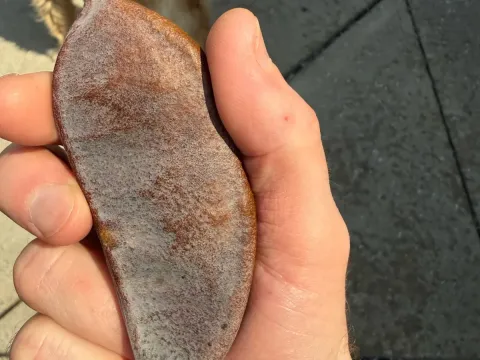
Gymnocladus
Gymnocladus Lam.
Propagation of Gymnocladus primarily occurs through seeds, which feature a very hard, impermeable seed coat. To achieve successful germination, seeds require scarification or hot water treatment prior to planting.
What the section contains

Gymnocladus
Sowing in open ground is best conducted during the spring after the soil has warmed sufficiently. Seeds should be planted at a depth of 3 to 5 centimeters in well-drained, fertile soil.
Fall planting is another viable method, allowing the seeds to undergo natural stratification in the soil over winter. This often leads to more uniform germination when spring temperatures rise.
Vegetative propagation using root cuttings can also be employed. These should be harvested in early spring before the onset of the active growth season and planted in a loose, moist substrate.
Proper spacing between seeds is essential to ensure that young seedlings have sufficient access to nutrients and light, preventing competition and stunted growth in early stages.
Gymnocladus belongs to the Fabaceae family and is recognized for its preference for full sun exposure. It thrives best in open locations where it can receive maximum light throughout the day.
The species prefers deep, nutrient-rich soils that are moist but well-drained. It demonstrates good tolerance for various soil types, including loams, provided that the soil is not overly compacted.
This tree is remarkably adaptable to urban conditions, showing resistance to air pollution and dust. Once established, it is hardy and can withstand a wide range of temperate climate conditions.
During the initial growth years, consistent moisture management and weed control are vital. Since Gymnocladus exhibits a slow growth rate initially, minimizing competition from surrounding vegetation is key.
While the tree is drought-tolerant as an adult, regular irrigation during extreme dry spells in its youth will significantly improve establishment success and overall health.
The primary utility of Gymnocladus lies in its ornamental and landscaping value. It is highly sought after in urban planning for its distinctive, coarse-textured foliage and unique branch structure.
The wood of the tree is dense and durable, though industrial use is limited due to the rarity of the tree in large-scale plantations. It is occasionally used by woodworkers for specialized projects.
Gymnocladus plays a beneficial role in environmental remediation. Its ability to tolerate harsh city conditions makes it an excellent candidate for improving air quality in industrial regions.
Seed harvesting is generally performed for nursery production rather than commercial agricultural output. The plant is not considered a traditional food or fiber crop.
In landscaping, it serves as a stunning specimen tree in parks and large gardens. Its hardiness and relatively low maintenance needs after maturity make it a sustainable choice for urban greening.
Gymnocladus is known for its high natural resistance to pests and diseases. This intrinsic resilience makes it an environmentally friendly choice, as it requires minimal chemical intervention.
Root rot is the most common health issue, usually caused by poor soil drainage or chronic waterlogging. Ensuring site suitability before planting is the best preventive measure against this threat.
Occasional infestations of leaf-eating insects may occur, but they rarely threaten the survival of a mature tree. Monitoring during the early summer months is usually sufficient for detection.
Physical trauma to the trunk can introduce pathogens. Protecting the bark from mechanical damage during lawn maintenance or construction activities is essential for long-term tree health.
Preventive maintenance, such as regular observation and the removal of damaged branches, is usually all that is needed to maintain the tree in top condition throughout its lifespan.