
Guilandina
Guilandina
Guilandina is a genus of woody shrubs and vines within the Fabaceae family, widely distributed across tropical coastal environments. These plants are well-known for their adaptability to maritime conditions, including high salinity levels and sandy substrates, which is a key biological feature of the genus.
What the section contains

Guilandina
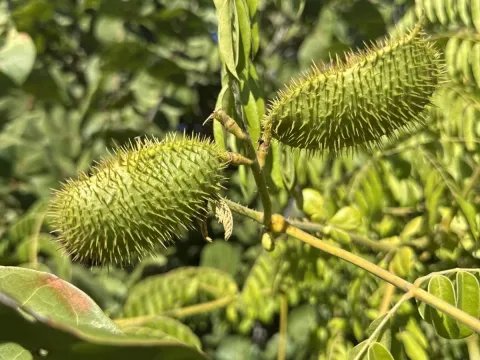
The morphology of Guilandina involves robust, thorny stems designed for defense and support in dense tropical habitats. The foliage is typically bipinnate, and the flowers appear in racemes. One of the most distinctive features is the hard-shelled pod, which protects the seeds from damage during maritime dispersal, allowing them to remain viable for extended periods.
Climatic requirements are focused on tropical zones with high ambient temperatures and consistent moisture levels. The plant cannot survive in frost-prone regions, making it strictly suitable for greenhouses or tropical zones where the mean temperature stays well above freezing throughout the entire year.
Soil management for Guilandina requires excellent drainage to prevent root rot. While the plants are naturally adapted to sandy soils, in agricultural settings, providing a light, aerated soil mixture is essential. Proper drainage remains the most critical factor for successful cultivation and the health of the root system.
In terms of agricultural and practical application, Guilandina is valued for its seeds, which are sometimes processed for specific oils or used in traditional pharmacology. Furthermore, its thorny nature makes it an excellent candidate for impenetrable natural fences in tropical landscaping or agricultural boundary protection.
Common threats to the cultivation of Guilandina include various fungal pathogens that thrive in high humidity and high-temperature environments. Additionally, tropical pests, such as aphids or scale insects, may affect the plant's vigor, requiring a balanced pest management strategy focused on preventative pruning and monitoring.