
Dyer's greenweed
Genista tinctoria L.
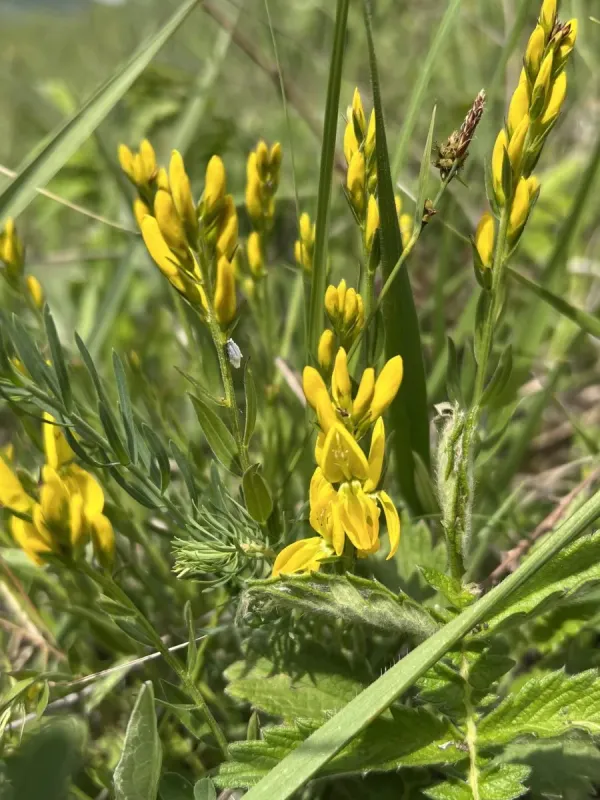
Description
Sowing dates
Sowing Dyer's greenweed seeds is best performed in late autumn or early spring after the seeds have undergone a stratification process. The seeds have a hard seed coat, so scarification or soaking in growth stimulants is recommended to increase germination rates.
Seeds should be sown at a depth of 1.5 to 2 centimeters with rows spaced approximately 40–50 centimeters apart. As growth is slow during the first year, maintaining a weed-free environment is critical for seedling establishment.
The optimal time for spring planting is when soil temperatures reach 10–12 degrees Celsius. Constant soil moisture during the first few weeks is essential for uniform emergence of the crop.
Vegetative propagation via cuttings is also an option, typically performed during the active growing season. Cuttings help maintain specific plant traits but require greenhouse conditions for successful rooting.
Choosing the right site is crucial as the plant is highly light-demanding. A sunny, open area with good air circulation is necessary to ensure healthy growth and prevent physiological stress.
Growing requirements
Dyer's greenweed is a perennial subshrub belonging to the Fabaceae family, typically reaching a height of 60–80 centimeters. It is highly resilient and can thrive in poor, rocky, or sandy soils, making it a valuable candidate for land restoration projects.
The plant features a deep taproot system, which contributes to its excellent drought tolerance. It does not tolerate waterlogging or stagnant groundwater, thus preferring well-drained, neutral, or slightly acidic soils.
While the species is adapted to temperate climates, it possesses good cold hardiness. In regions with harsh winters and low snow cover, some stem dieback may occur, though the plant typically regenerates vigorously in the following spring.
A notable biological trait is its ability to fix atmospheric nitrogen through a symbiotic relationship with soil bacteria. This reduces the need for supplemental nitrogen fertilization, contributing to sustainable cultivation practices.
- Requires full sun exposure.
- Prefers well-drained, airy soil.
- High tolerance for poor soil quality.
- Moderate lime content is acceptable.
Yield
Yields of the green biomass depend on the level of management and the maturity of the plantation. Harvesting typically commences in the second or third year once the shrubs reach full vegetative development.
An average yield of dry biomass ranges from 2 to 4 tons per hectare, depending on planting density and environmental conditions. Peak production occurs during the bud formation phase when pigment concentrations are at their highest.
Periodic pruning of the stems encourages bushiness and increases total biomass yield in subsequent years. The plantation can remain productive for 10 to 15 years with minimal input once established.
The primary economic use is the harvesting of foliage for natural yellow dye, which is utilized in high-end textile production and traditional crafts.
The plant also finds limited application in herbal medicine due to its bioactive alkaloids, requiring careful handling and processing to ensure safety and quality.
Main diseases and pests
Dyer's greenweed is naturally resistant to many pests due to its bitter alkaloid content. However, improper management can lead to localized infestations of leaf-eating insects, such as specific caterpillar species.
Fungal diseases like powdery mildew and rust represent the greatest threats, especially in humid or overcrowded conditions. These infections can drastically reduce the quality of the harvested biomass.
Cultural controls, such as maintaining proper plant spacing and effective weed management, are the first line of defense. Chemical fungicides are generally discouraged to maintain the natural and organic status of the raw material.
Rodents may cause damage to the root collar during winter. Mitigation strategies include soil cultivation in the autumn and protecting younger plantations from wildlife intrusion.
Waterlogging is a significant risk factor as it leads to root rot, which is often fatal to the shrub. Ensuring optimal soil drainage is the most effective preventative measure against root-related pathogens.
Harvesting
Harvesting is ideally conducted during the full flowering stage. This timing is critical, as it ensures that the concentration of flavonoids and yellow pigments in the stems is maximized for industrial use.
The shrubs should be mowed at a height of approximately 15 centimeters from the ground to prevent damage to the core crown, allowing for consistent regeneration in the following growing season.
Once harvested, the material must be processed immediately to prevent overheating and fermentation, which could degrade the natural color and quality of the dye.
Drying is performed in shaded, well-ventilated areas at temperatures not exceeding 45 degrees Celsius to preserve the chemical integrity of the harvested material.
The finished raw material should be stored in a cool, dark, and dry environment to prevent ultraviolet-induced pigment degradation. Seeds are collected once pods have fully matured and are stored in airtight containers.