
Fragrant Broom
Genista fragrans
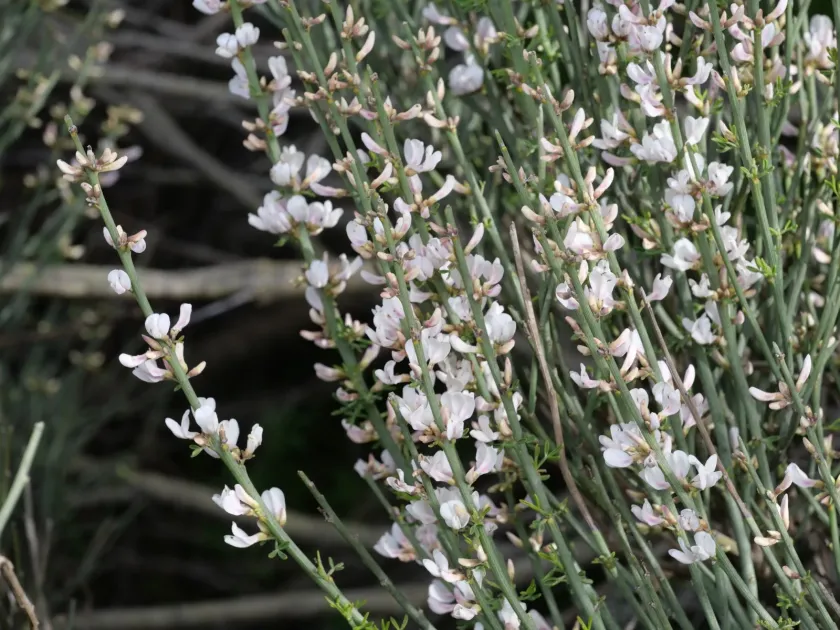
Description
Sowing dates
Propagation of Genista fragrans is typically performed by seeds or semi-hardwood cuttings. Seeds should be sown in a well-drained medium during the spring, maintaining a stable temperature between 18 and 20 degrees Celsius.
For better germination results, seeds should undergo scarification to break their hard seed coat. This biological adaptation ensures that the seeds remain viable in the soil until environmental conditions are favorable for growth.
Cuttings are usually taken in mid-summer after the blooming period ends. Placing them in a light sandy mix and keeping them under plastic or glass allows for higher humidity levels, which is crucial for root development.
Young plants are moved to their permanent outdoor location once the danger of frost has passed. During the first few weeks, it is essential to monitor soil moisture levels to ensure the plant establishes properly.
Adequate spacing between plants is recommended to allow for proper airflow. Overcrowding can lead to excessive humidity around the foliage, increasing the risk of physiological stress during the early growth stages.
Growing requirements
Fragrant Broom is a member of the Fabaceae family, originating from Mediterranean climates. It is a perennial shrub known for its highly aromatic yellow flowers and evergreen to semi-evergreen foliage.
This species thrives in full sun, which is necessary for dense flowering and strong aroma production. Shade will result in a leggy growth habit and significantly reduced bloom count throughout the season.
Soil requirements include excellent drainage and a neutral to slightly acidic pH. The plant is well-adapted to poor, rocky soils but will not tolerate stagnant water, which leads to root suffocation and decay.
While mature plants are highly drought-tolerant, they benefit from occasional watering during prolonged dry spells. Fertilizer applications should be minimal, as excessive nitrogen often inhibits flower formation.
Winter care is essential in cooler regions, where mulching is required to protect the root zone from freezing temperatures. Proper pruning after flowering maintains the shape and promotes healthy new growth.
Main diseases and pests
Common pests affecting Genista fragrans include aphids and various moth larvae that feed on tender leaves and shoots. Regular monitoring is advised to detect infestations before they spread across the shrub.
Fungal issues such as powdery mildew can become a problem if the planting site lacks sufficient air circulation. Keeping the center of the bush pruned helps reduce the risk of humidity-related fungal growth.
Root rot is the most devastating condition for this plant and is almost always caused by poor drainage. Preventing water accumulation around the crown is the primary management strategy against soil-borne pathogens.
When necessary, appropriate insecticides or fungicides should be applied according to local agricultural standards. Always target the specific pest or disease identified to minimize the impact on beneficial insects.
The best long-term defense against threats is placing the plant in an ideal environment. Fragrant Broom specimens receiving at least six hours of direct sunlight per day demonstrate much higher resilience.