
Canary Island broom
Genista stenopetala Webb & Berthel.
Description
Growing requirements
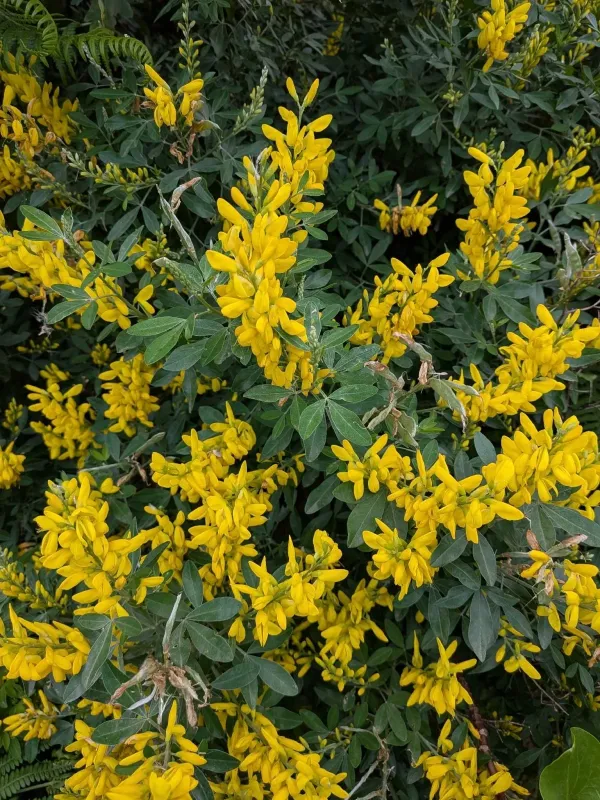
Canary Island broom (Genista stenopetala) is a vigorous, evergreen shrub belonging to the Fabaceae family. Native to the Canary Islands, this plant is characterized by its bright yellow, pea-like flowers and fine, needle-like foliage that creates a dense architectural structure.
The plant thrives in Mediterranean-like climates where it can receive full, unfiltered sunlight throughout the day. It is highly intolerant of waterlogged conditions, requiring sandy, well-draining soil to prevent root rot, which is the most common cause of failure in cultivation.
Regarding soil fertility, Genista stenopetala is undemanding and often grows well in poor, rocky substrates. However, it benefits from a neutral to slightly acidic pH, which helps in the efficient uptake of microelements necessary for healthy bloom development.
Cultural practices are centered on post-flowering pruning. By removing spent flower spikes and trimming back elongated branches, gardeners can maintain the shrub's shape and encourage a more prolific display of yellow blossoms in the following season.
In landscaping, this species is highly valued for its drought tolerance once established, making it a perfect candidate for xeriscaping or rock gardens. It serves as an excellent pollinator-friendly addition that thrives with minimal supplemental irrigation.
Main diseases and pests
The primary threats to Genista stenopetala include fungal pathogens such as powdery mildew, which often flourish in environments with poor air circulation or high nocturnal humidity.
Insect pests, specifically aphids and spider mites, can severely compromise the plant's health by sapping vital nutrients from new growth during the spring growing season.
Root rot is a critical physiological threat often triggered by incorrect watering schedules or soil that lacks adequate aeration, leading to rapid foliage chlorosis and death.
Integrated pest management strategies are recommended, focusing on early detection and the use of insecticidal soaps to control infestations without harming beneficial insects.
Regular sanitation, including the removal of dead wood and leaf debris from the base of the shrub, is essential to minimize the survival of overwintering pest populations.