
Genista pilosa
Genista pilosa L.
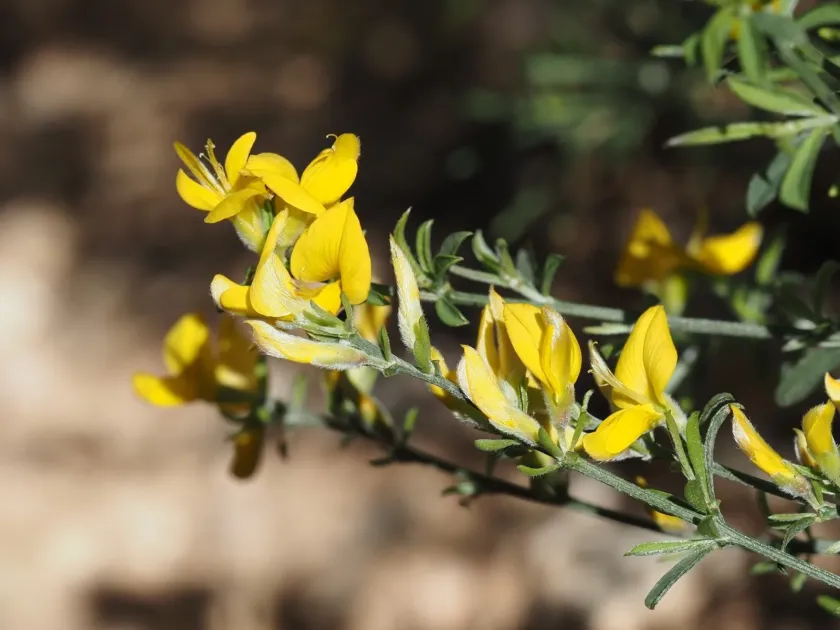
Description
Sowing dates
Seeds of Genista pilosa typically require a period of cold stratification to break dormancy. Sowing in late autumn allows the seeds to experience natural winter conditions, resulting in better spring germination.
For greenhouse propagation, scarifying the seed coat with sandpaper or soaking in warm water before sowing can significantly improve the speed and uniformity of germination.
Planting container-grown specimens is best done in early spring or early autumn, ensuring the root ball is placed in well-drained, porous soil to prevent moisture accumulation.
Spacing should be managed to allow for the plant's natural spreading habit; providing 50 cm between individual plants is generally sufficient for creating a dense, continuous cover.
Once established, the plants require minimal intervention, though weeding around the young shrubs is essential during the first season to ensure they are not crowded out.
Growing requirements
Genista pilosa is a sun-loving plant that demands full sun exposure to maintain its compact growth form and produce an abundant display of yellow flowers during the flowering season.
The plant thrives in dry, sandy, or rocky soils with poor nutrient content, making it an excellent candidate for areas where more demanding species would fail.
Soil drainage is the most critical factor for survival; the species is highly susceptible to root rot if the roots remain submerged in water for extended periods.
It displays remarkable drought tolerance once the root system is well-developed, requiring no additional irrigation even in regions with relatively dry summers.
The plant is hardy and well-adapted to cooler climates, handling cold temperatures without the need for protective mulch or special winter covers.
Yield
The primary value of Genista pilosa is ornamental, specifically as a groundcover plant for rock gardens, embankments, and areas with poor soil quality where it adds aesthetic value.
Its ability to form dense, low-growing mats makes it highly effective for soil stabilization and preventing erosion on slopes and hillsides.
As a member of the legume family, it improves the soil's nitrogen content through symbiotic root nodules, which is a significant benefit for long-term land restoration.
While not a major commercial crop, the species provides ecological value by attracting pollinators during the late spring months when it is in full bloom.
The longevity of the plants ensures a reliable display of foliage and flowers, requiring very little maintenance compared to standard annual flowering plants.
Main diseases and pests
Fungal pathogens associated with damp conditions are the main concern, as stagnant humidity around the crown of the plant can lead to significant decay.
Powdery mildew may manifest as a white coating on the leaves if the plants are situated in areas with poor airflow; preventative thinning can mitigate this issue.
Aphids and spider mites are common pests that target new growth, especially in drought-stressed plants, and may require targeted treatments if infestations become heavy.
Root rot is the most lethal condition for Genista pilosa, usually resulting from overwatering or improper drainage, highlighting the need for careful watering management.
- Regular inspection for signs of chlorosis or wilting.
- Strategic pruning to encourage air movement.
- Avoidance of nitrogen-rich fertilizers that can promote excessive, weak growth.