
Erythrina sykesii
Erythrina sykesii
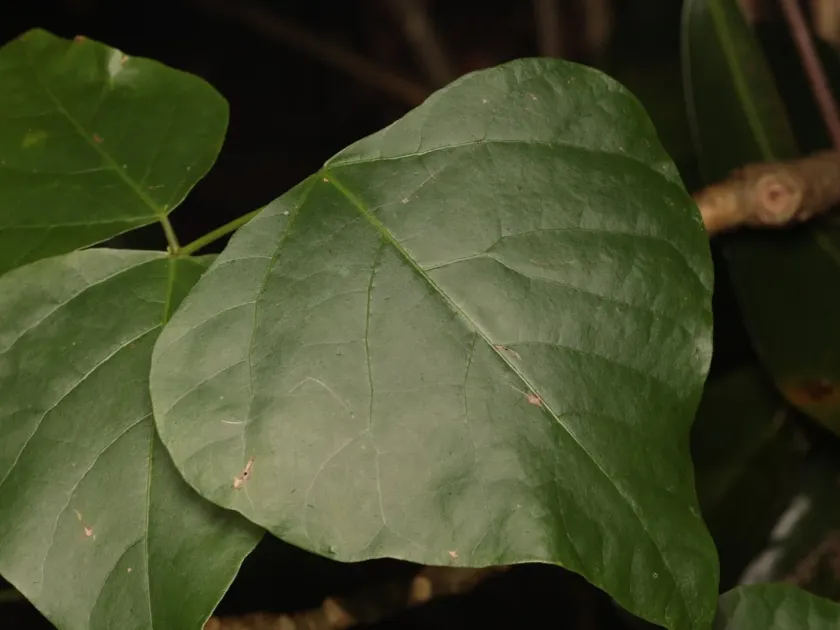
Description
Growing requirements
Erythrina sykesii, commonly known as the Sykes' coral tree, is a large deciduous tree within the Fabaceae family. It is a sterile hybrid that produces spectacular, bright red, brush-like inflorescences, making it a popular choice for ornamental use.
The tree thrives in temperate to subtropical climates and requires full sun exposure to maintain its vigorous growth and flowering potential. It is sensitive to severe frost, which can cause significant damage to the canopy and branches.
Regarding soil conditions, Erythrina sykesii prefers deep, well-draining, and nutrient-rich soils. While it can adapt to various soil types, it is essential to ensure that the site does not have standing water, as root rot is a common issue.
Agricultural practices for this species include consistent watering during the establishment phase, although mature trees show moderate drought tolerance. Regular mulching around the base helps retain soil moisture and suppresses weed growth.
This tree is widely utilized in large-scale landscaping, urban park designs, and botanical gardens. Its primary value lies in its massive architectural presence and the seasonal visual impact of its vibrant flowers, which attract various pollinators.
Main diseases and pests
The species is occasionally prone to attacks from sap-sucking pests like scale insects and aphids. If left unmanaged, these pests can weaken the overall health of the tree, potentially leading to stunted branch development.
Fungal pathogens represent the most significant threat, particularly in regions with high humidity or poor soil drainage. These can cause root rot or localized bark cankers, which compromise the tree's stability over time.
Spider mites may infest the foliage during hot, dry spells. Keeping the tree adequately hydrated and maintaining proper air circulation through the canopy are effective cultural methods to prevent such infestations.
Sanitation is key to managing health issues; always remove and destroy infested or diseased plant material promptly. Using sterilized pruning equipment is critical to avoid transmitting pathogens between trees.
By monitoring the tree's growth and health periodically, arborists can mitigate risks effectively. A well-fertilized tree in suitable environmental conditions will generally demonstrate strong resistance to common horticultural pests.