
Erythrophleum suaveolens
Erythrophleum suaveolens
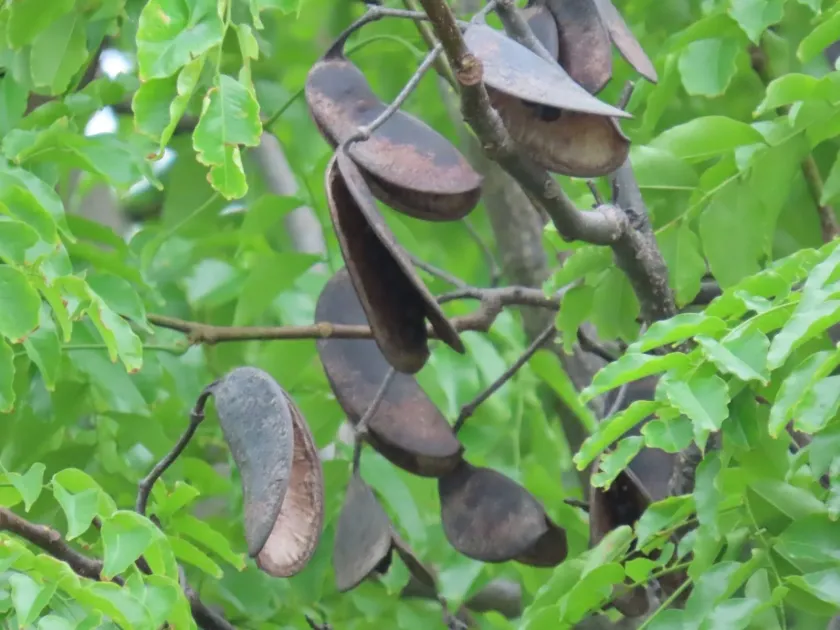
Description
Growing requirements
Erythrophleum suaveolens, commonly known as ordeal tree, is a species of flowering plant in the family Fabaceae. It is native to tropical Africa and is highly valued for its durable and pest-resistant timber.
The tree thrives in tropical rainforest environments with high rainfall and warm temperatures throughout the year. It prefers deep, nutrient-rich soils that facilitate deep root development and prevent water stagnation.
Botanically, it is characterized by an evergreen habit with pinnate leaves and small flowers arranged in spike-like inflorescences. The bark is notably thick, and in many regions, the plant is known for its pharmacological potential.
Cultivation requires careful management of seed germination. Seeds are typically sown in nursery beds with partial shade, transitioning to full sun as the saplings establish their root systems and woody stems.
The timber of this species is one of the most durable in the African continent. It is widely used for heavy construction, railway sleepers, and high-end cabinetry due to its high density and natural resistance to decay.
Yield
The yield of Erythrophleum suaveolens is measured by the volume and quality of timber produced over long forest rotations. As a slow-growing species, sustainable harvesting practices are essential to ensure the longevity of the stands.
In agroforestry settings, the tree contributes to nitrogen cycling, though it is not a primary nitrogen-fixer compared to other legumes. Its shade-providing canopy is beneficial for maintaining soil moisture levels in complex tropical farm systems.
Main diseases and pests
Habitat loss due to land conversion and industrial logging poses the greatest threat to this species. Sustainable forest management is required to prevent local extinction in areas heavily targeted by the timber industry.
Pathogenic fungi can affect seedlings in humid nurseries, often resulting in damping-off disease. Maintaining proper hygiene and optimal aeration within the nursery environment is the primary defense against such threats.
Insect pests such as wood-boring beetles may target mature trees, particularly in plantations that lack biodiversity. Promoting a mix of native species can help stabilize the health of the Erythrophleum stands.