
Erythrophleum lasianthum
Erythrophleum lasianthum
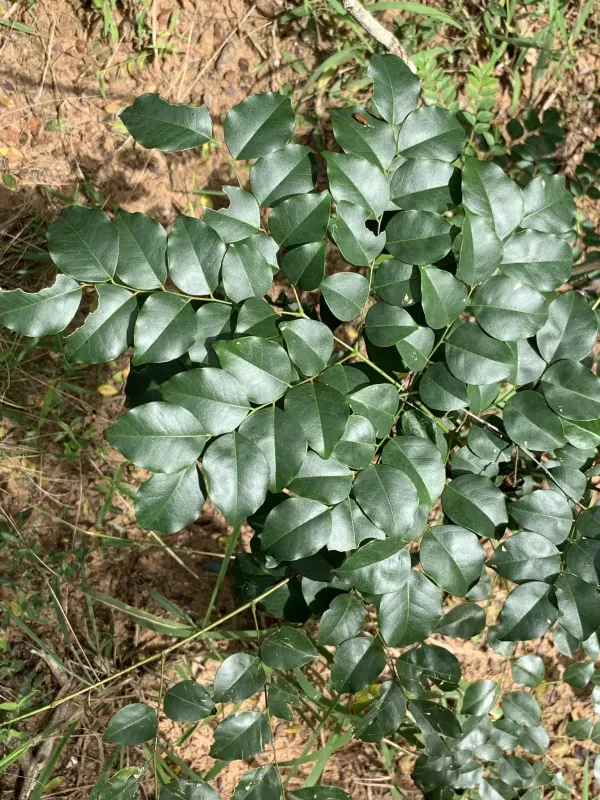
Description
Growing requirements
Erythrophleum lasianthum is a notable species within the Fabaceae family, commonly found in the coastal and inland forests of Southern Africa. As a perennial tree, it occupies a specific niche in tropical ecosystems, providing significant ecological benefits to its habitat.
The plant thrives in warm, frost-free climates where humidity remains relatively high throughout the year. It exhibits optimal growth patterns when planted in deep, well-draining soils that prevent waterlogging and encourage deep root system development.
Agricultural management of this species involves careful monitoring of soil nutrient availability. While it can adapt to diverse soil types, maintaining a balanced environment with sufficient organic matter is essential for maximizing the longevity of individual trees.
Spacing is a critical factor in the cultivation of this species to ensure that each specimen has sufficient room for canopy expansion. Proper management of light exposure is necessary to support healthy growth cycles from the seedling stage to maturity.
The timber obtained from this tree, often referred to commercially as Mawumbe, is prized for its extreme hardness and durability. It serves as a premium raw material for specialized woodworking and construction projects that require resistance to environmental degradation.
Main diseases and pests
The biological composition of Erythrophleum lasianthum includes potent alkaloids that act as a natural deterrent against many wood-boring insects and herbivores. This characteristic makes the tree exceptionally resilient in its native forest environments.
Despite its natural defenses, the tree is susceptible to fungal pathogens that can invade the wood if the bark is damaged or if the tree is subjected to prolonged waterlogged conditions. Careful maintenance and avoidance of mechanical injury are the primary methods for disease prevention.