
Erythrophleum africanum
Erythrophleum africanum
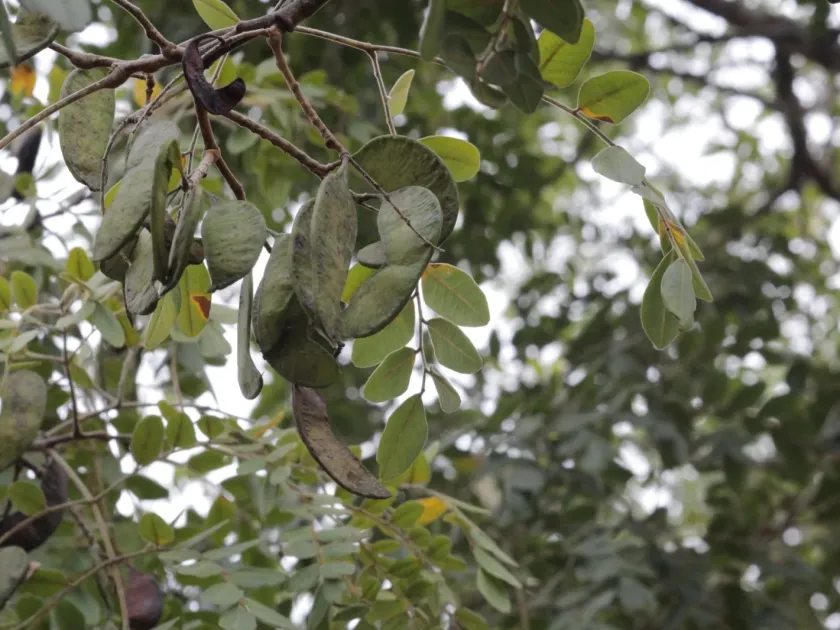
Description
Growing requirements
Erythrophleum africanum is a significant tree species belonging to the Fabaceae family, commonly found in the savanna and woodland regions of Africa. It is highly valued for its ecological contribution and high-quality timber.
This species thrives in well-drained sandy or loamy soils, showing remarkable adaptation to harsh climates. It is specifically evolved to withstand periods of intense drought, making it resilient in tropical environments.
Botanically, it is a deciduous tree that can reach a substantial height. The leaves are bipinnate, and the tree often produces small, yellowish-white flowers that are characteristic of the genus.
The primary economic use of this tree is its wood, which is known for its extreme hardness, density, and resistance to termite attacks. It is widely used in construction, heavy carpentry, and flooring.
Beyond its timber, the tree plays a vital role in maintaining soil health by fixing nitrogen, which is a key trait shared by many members of the legume family in arid environments.
Main diseases and pests
Pests such as wood-boring beetles present the primary threat to the integrity of the trunk. Early detection and removal of infested wood can significantly reduce the spread of these insects.
Fungal pathogens represent a major concern during seasons with higher rainfall, as they can lead to heart rot. Maintaining adequate ventilation in plantations is a key agronomic strategy.
Large mammals and livestock can cause physical damage to the bark of young trees. Protective measures, such as fencing or individual tree guards, are essential during the initial growth stages.
Poor soil drainage can cause root stress, making the tree susceptible to soil-borne pathogens. Site selection with adequate natural drainage is critical for long-term survival.
Integrated pest management, including regular health assessments and mechanical removal of dead branches, remains the most effective way to handle potential threats to the stands.