
Erythrina zeyheri
Erythrina zeyheri
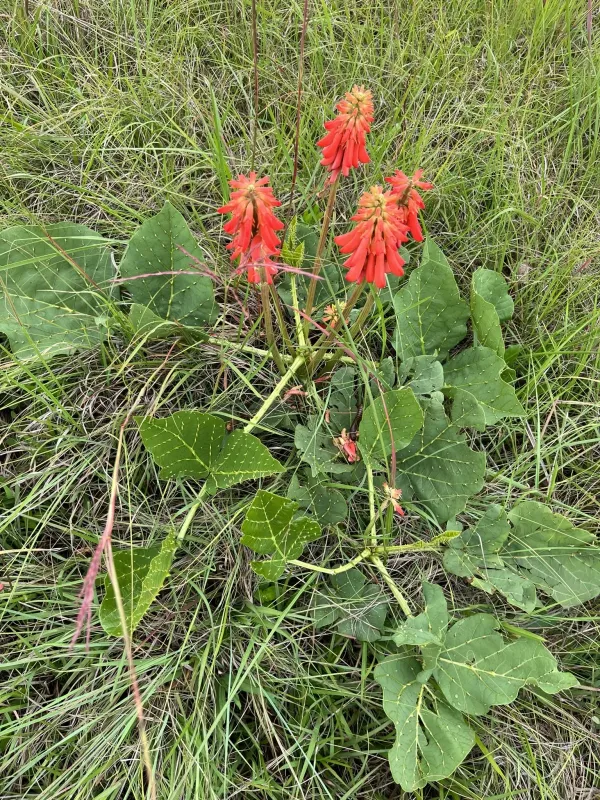
Description
Sowing dates
The propagation of Erythrina zeyheri is primarily achieved through seeds, which require careful scarification to break dormancy. Sowing should take place in early spring once the risk of frost has completely passed.
Seeds should be planted in a well-draining substrate at a depth of approximately 2 to 3 centimeters. Maintaining consistent soil moisture during the germination phase is critical for successful emergence.
Vegetative propagation via woody stem cuttings is also a viable option. Cuttings are typically rooted in a sand-peat mixture under controlled conditions with supplemental bottom heat to encourage root development.
Acclimatization of young plants to outdoor conditions must be gradual. Moving seedlings directly to harsh environments without hardening off can lead to transplant shock and inhibited growth.
Adequate spacing is essential for this species, as it develops a substantial underground root system. Planting with at least 1.5 meters between specimens ensures that each plant has enough space to thrive.
Growing requirements
Erythrina zeyheri, a member of the Fabaceae family, is a herbaceous perennial known for its large, tuberous underground caudex. It is native to the diverse landscapes of Southern Africa, where it has evolved to survive in dry habitats.
The plant thrives in full sun, requiring ample light to produce its characteristic vibrant blooms. It is unsuitable for shaded garden areas, as limited light exposure significantly reduces its overall vigor.
Soil requirements focus on excellent drainage and aeration. Sandy or gravelly soil types with a neutral to slightly acidic pH are ideal, as these prevent the moisture retention that can lead to root damage.
While the plant is naturally drought-tolerant due to its tuberous roots, regular watering during the main growing season is beneficial. However, the soil must be allowed to dry out between watering sessions.
Temperature management is the most critical constraint in colder climates. The plant is not frost-hardy, necessitating winter protection or moving the tuber to a frost-free storage environment during colder months.
Main diseases and pests
Spider mites are the most common pests affecting Erythrina zeyheri, particularly during dry and hot weather. They congregate on the underside of leaves, causing yellowing and eventually leaf drop.
Aphids can also pose a nuisance by feeding on the tender young shoots. Regular inspection of growing tips is necessary to prevent infestations from spreading throughout the canopy.
Root rot is the most significant disease threat, typically caused by waterlogged soil conditions. If the soil remains saturated for long periods, the tuberous root system quickly becomes susceptible to fungal decay.
Preventive care involves ensuring that the growing area has excellent drainage and that air circulation is maintained around the foliage. Proper pruning helps in thinning out overcrowded stems.
If symptoms of disease or infestation appear, prompt treatment is required. Integrated pest management, focusing on biological controls where possible, is the preferred approach for maintaining long-term plant health.