
Erythrina speciosa
Erythrina speciosa
Description
Growing requirements
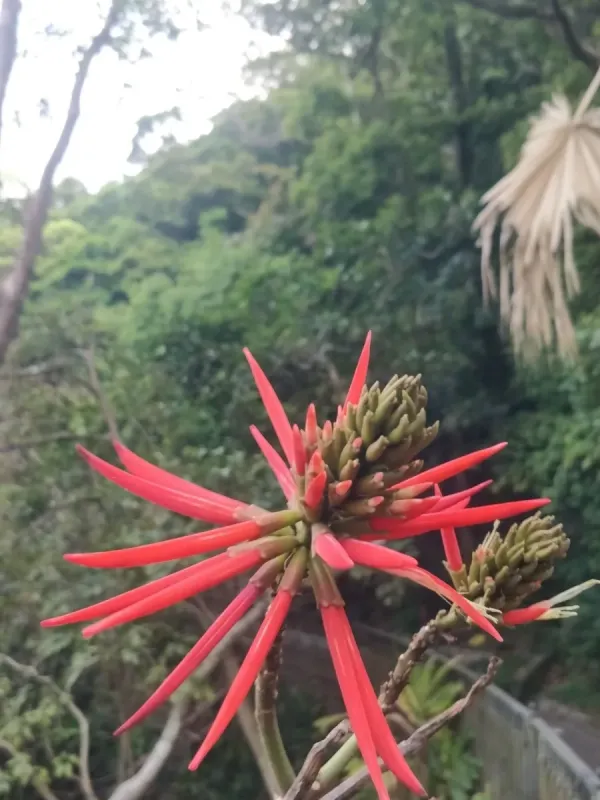
Erythrina speciosa is an ornamental plant belonging to the Fabaceae family, native to the tropical regions of Brazil. It is widely recognized for its vibrant crimson flowers that bloom on bare or partially leafy branches.
The plant thrives in warm, humid climates and requires full sun exposure for optimal flower production. It is highly intolerant of frost, meaning it must be protected or moved indoors in temperate zones.
A well-draining, nutrient-rich soil is essential for the health of this tree. It performs best in substrates that mimic the loamy, organic-rich forest floors of its natural habitat, ensuring roots have access to oxygen.
Agricultural management involves routine watering during the peak growing season, although the plant shows moderate drought tolerance once established. Pruning is often necessary to maintain shape and promote a denser canopy.
Beyond its visual appeal, Erythrina speciosa is valued in agroforestry as a nitrogen-fixing species, which can improve soil fertility when managed within sustainable land-use systems.
Main diseases and pests
Common pests attacking the foliage include aphids and spider mites, which typically thrive during dry spells when the plant's natural defenses are slightly weakened.
The plant is susceptible to fungal infections such as leaf spot and various types of root rot if drainage systems are inadequate or if the soil remains constantly waterlogged.
Boring insects may occasionally target the trunk and mature branches, potentially causing structural damage if the infestation is left untreated for an extended period.
Integrated pest management strategies, including the use of neem oil and systemic insecticides, are recommended for maintaining a healthy and robust tree population.
Proper hygiene, such as removing fallen leaves and debris around the base, significantly reduces the risk of pathogens spreading within the plantation or landscape site.