
Erythrophleum ivorense
Erythrophleum ivorense
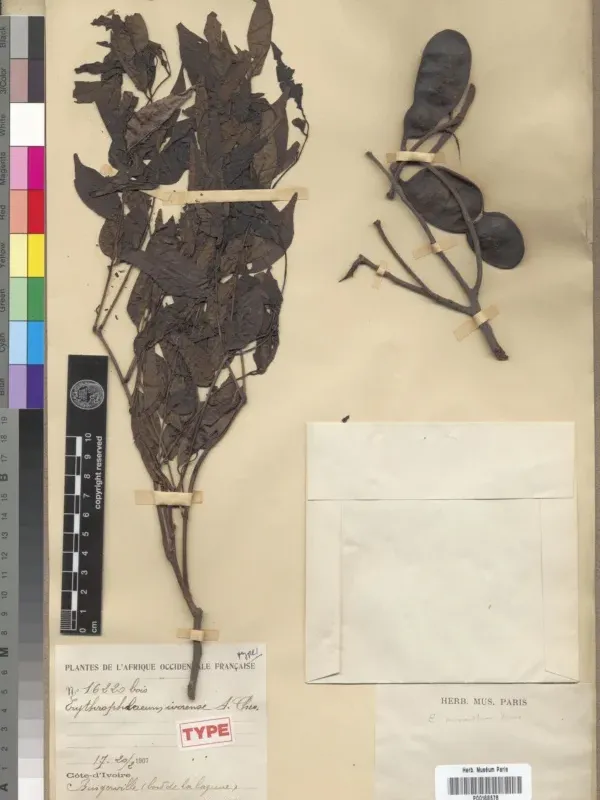
Description
Growing requirements
Erythrophleum ivorense is a majestic tree species belonging to the Fabaceae family. It is predominantly found in the tropical rainforests of West and Central Africa, characterized by its impressive height and straight, well-formed trunk.
The species thrives in humid tropical climates where annual rainfall is high and consistent throughout the year. It requires deep, fertile, and well-drained soils to support its extensive root system and rapid development during favorable seasons.
Seed germination for this species often benefits from pre-treatment processes such as mechanical scarification, which mimics natural breaking of the seed coat. Successful seedling establishment relies heavily on controlled moisture levels.
In forest plantation settings, the spacing must be carefully calculated to ensure each tree receives optimal sunlight. As a member of the legume family, it can contribute to soil fertility by fixing atmospheric nitrogen through its roots.
Effective management requires selecting sites that mimic the natural ecological niche of the species, avoiding highly compacted or waterlogged soils that inhibit healthy root growth.
Yield
The tree is primarily prized for its timber, commercially marketed as 'tali'. This wood is renowned for its exceptional durability, density, and resistance to environmental degradation, making it ideal for heavy-duty construction.
Applications for tali timber include marine infrastructure, railway sleepers, flooring, and exterior decking. Its natural chemical defenses provide significant protection against termites and wood-boring insects.
The harvest cycle for this species is long-term, requiring several decades to reach maturity. This makes it a strategic asset for sustainable forestry investments that prioritize high-value hardwood production.
Beyond timber, historical and traditional use of the tree's extracts in medicinal contexts exists, though these applications are strictly regulated due to the high toxicity levels of the bark's chemical components.
Economic yield is maximized through selective silvicultural practices that remove suppressed or diseased trees, allowing the most vigorous individuals to reach their full potential for high-quality heartwood formation.
Main diseases and pests
Primary threats to plantation stands include wood-boring insects that target the cambium layer. Early detection through regular visual inspection of the bark is essential to mitigate potential damage.
Root rot and other fungal pathogens can establish themselves in environments where soil drainage is insufficient. Ensuring proper land leveling and drainage design is a critical preventive measure.
During the early growth phase, young trees face significant competition from invasive climbers and weeds. Regular site maintenance, including weeding and clearing, is necessary to ensure the survival of the crop.
Human-induced disturbances, including habitat fragmentation and illegal logging, remain major risks to the long-term viability of the species in its natural geographic range.
While the tree is relatively hardy, extreme weather events caused by changing global climate patterns can exacerbate stress, potentially lowering the tree's natural resistance to opportunistic pests.