
Judas tree
Cercis siliquastrum L.
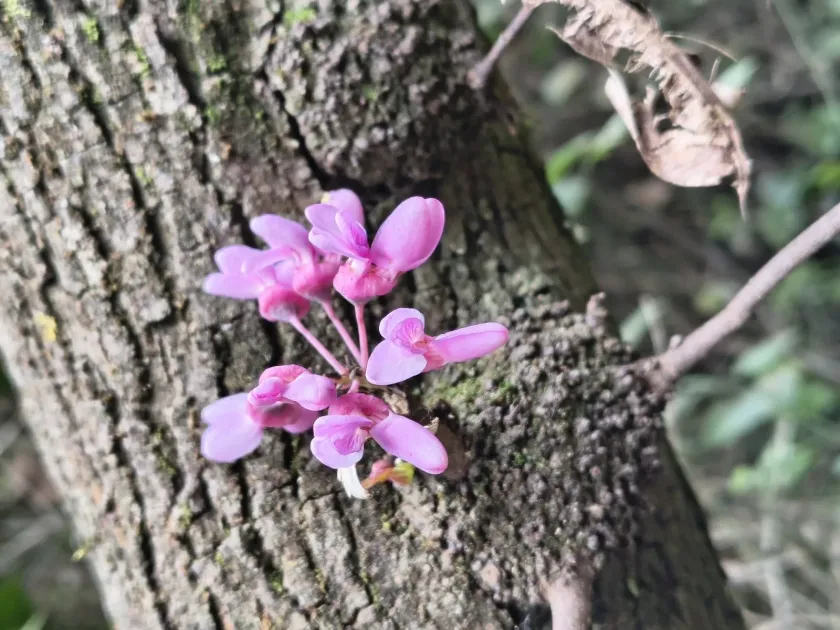
Description
Sowing dates
The seeds of Cercis siliquastrum require pretreatment before sowing. Since they have a hard seed coat, scarification followed by a cold stratification period of 2 to 3 months is essential for successful germination.
Sowing in open ground should be timed for autumn, allowing the natural winter cycle to act as a stratification agent. This results in more robust seedlings compared to forced laboratory conditions.
For nursery production, seeds are sown in drills 30–40 cm apart at a depth of 2–3 cm. The soil must be well-drained and kept consistently moist until emergence.
Seedlings remain in the seedbed for at least two years. Due to the development of a long taproot, transplanting should be performed carefully to avoid root damage, which can lead to transplant shock.
Optimal germination temperatures in controlled conditions range between 15°C and 20°C. Proper humidity is required, but excess water during germination must be avoided to prevent damping-off.
Growing requirements
The Judas tree is a member of the Fabaceae family and performs best in sunny, sheltered locations. It is native to the Mediterranean region, which dictates its preference for long, hot summers.
Soil requirements focus on alkalinity; the species thrives in calcareous soils. Good aeration and drainage are non-negotiable, as the roots are sensitive to waterlogged, anaerobic conditions.
Once established, the tree demonstrates high drought tolerance. However, regular irrigation is necessary for young trees during their first three growing seasons to establish a deep root system.
It is moderately cold-hardy, generally suitable for USDA zones 6b through 9. Extremely cold winds can damage the thin, young shoots, requiring protection in colder latitudes.
The tree generally does not require intensive fertilization, as it can fix nitrogen. However, a light dressing of compost in early spring can promote healthier vegetative growth.
Main diseases and pests
Verticillium wilt is the most serious disease affecting Cercis siliquastrum. It is a soil-borne fungus that causes rapid wilting and dieback; there is no chemical cure, so prevention is key.
Leaf spot diseases, often caused by fungal pathogens in humid weather, may lead to premature defoliation. Applying copper-based fungicides during the growing season helps manage these issues.
Pests include aphids and treehoppers, which target new growth and suck sap, potentially transmitting secondary viral or bacterial infections to the tree canopy.
Canker diseases can affect the main trunk and branches, often entering through wounds. Proper pruning hygiene and preventing physical damage to the bark are critical practices.
- Sterilize pruning tools between cuts to avoid disease transmission.
- Monitor the trunk for any signs of sap flow or bark peeling.
- Maintain clear spacing to allow air movement through the foliage.