
Callerya atropurpurea
Callerya atropurpurea
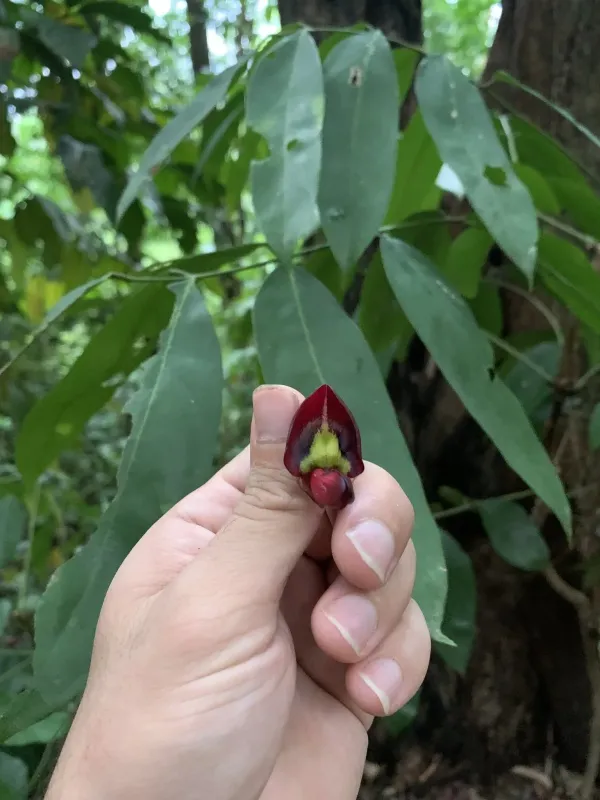
Description
Growing requirements
Callerya atropurpurea is a prominent member of the Fabaceae family. It is a robust, tree-like plant that grows significantly in its natural habitat, displaying the typical morphological features of large tropical legumes.
The species originates from the rainforests of Southeast Asia. Its native range is characterized by tropical conditions, including high humidity and consistent rainfall patterns, which are essential for its physiological development.
Cultivation requires deep, fertile, and well-drained soils. Agricultural success is heavily dependent on avoiding waterlogged conditions, as the root system is highly sensitive to hypoxia, which can occur in heavy, poorly aerated clays.
Climate preferences involve stable tropical temperatures and high levels of ambient humidity. The plant thrives in full sun but requires protection from severe desiccating winds during its establishment phase to maintain optimal growth rates.
Agronomic management includes the application of organic amendments to promote strong root establishment in early stages. Monitoring soil nutrient levels is essential, as the plant responds positively to balanced fertilization during its rapid growth cycles.
Main diseases and pests
The main phytosanitary threats are associated with fungal infections that attack the root system, particularly in poorly drained environments. Such pathogens can severely compromise the tree's health, leading to progressive decay.
Pests, particularly defoliating insects, can impact the vigor of younger plants. Maintaining a clean cultivation site and regular monitoring are the primary methods for mitigating the damage caused by local insect populations.
Harvesting
The primary economic value of Callerya atropurpurea lies in its timber properties. The wood is recognized for its durability and structural strength, making it suitable for specialized wood-based industries and local artisan crafts.
In addition to timber, the species is utilized in reforestation and ecological restoration projects within its native range. Its biological characteristics make it a valuable asset for maintaining soil integrity and ecosystem stability.