
Callerya cinerea
Callerya cinerea
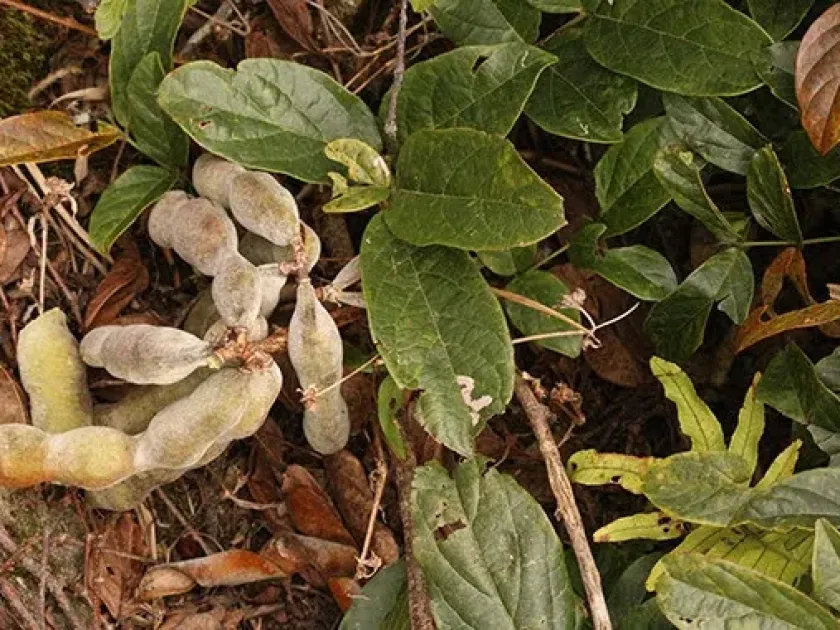
Description
Sowing dates
Callerya cinerea, a member of the Fabaceae family, is a climbing shrub or small tree native to specific tropical regions. In agricultural or botanical settings, successful propagation is typically achieved by planting seeds that have undergone mechanical or chemical scarification to break dormancy.
The sowing process is best timed with the onset of the wet season, ensuring that the moisture levels remain consistent for the seeds to germinate. In a controlled nursery, seeds are placed in a porous, well-draining substrate to prevent moisture accumulation around the seed coat.
Optimal germination occurs at temperatures between 25 and 30 degrees Celsius. Providing a stable thermal environment and keeping the substrate consistently moist are essential practices to ensure a high germination rate for this specific species.
Care must be taken to plant the seeds at a shallow depth, typically no deeper than two centimeters. Proper planting depth prevents the depletion of the embryo's energy stores before the seedling can establish its first photosynthetic structures.
Seedlings require shaded conditions in their initial weeks to protect them from excessive ultraviolet exposure. Gradually hardening the plants to stronger light helps build resilience before they are transplanted to their permanent growing location.
Growing requirements
This crop is strictly adapted to tropical climates and requires a frost-free environment to survive. Even minor exposure to freezing temperatures can cause irreversible damage to the vascular system and cellular structure of the plant.
Soil requirements focus on fertility and structure; the plant prefers well-aerated loamy soils. Good drainage is vital, as the root system is highly susceptible to hypoxia if water stagnates in the root zone for prolonged periods.
As a leguminous plant, Callerya cinerea forms symbiotic relationships with nitrogen-fixing bacteria. Ensuring that the soil contains the necessary bacterial population is crucial for the plant's health and its ability to improve soil fertility naturally.
Sunlight exposure is a significant factor in the plant's biomass production. While young specimens prefer partial shade, mature plants require full sunlight to support the energy-intensive process of flowering and seed production.
Water management should be consistent, avoiding both drought stress and waterlogging. Regular irrigation during dry intervals keeps the plant in a state of active growth, which is necessary for achieving optimal structural development.
Main diseases and pests
The plant can be targeted by various leaf-eating insects. Monitoring for larvae and adult pests is an essential part of plantation management, as early intervention can prevent large-scale defoliation that weakens the specimen.
Fungal infections such as powdery mildew or rusts can occur when humidity levels remain high and air circulation is poor. These conditions are common in dense plantations, necessitating regular pruning to ensure proper canopy ventilation.
Root rot, often caused by soil-borne pathogens, poses a significant threat in poorly drained areas. This condition typically manifests as wilting or yellowing of the leaves, signalling that the root system is no longer functioning correctly.
Integrated pest management strategies are recommended to keep the culture healthy. This includes removing dead organic matter from the area to reduce the availability of habitats for common pathogens and persistent pests.
Maintaining a healthy distance between individual plants prevents the spread of airborne diseases and competition for nutrients. Healthy plants, provided with proper nutrition and airflow, are significantly less prone to severe infestations and disease outbreaks.