
Callerya reticulata
Callerya reticulata
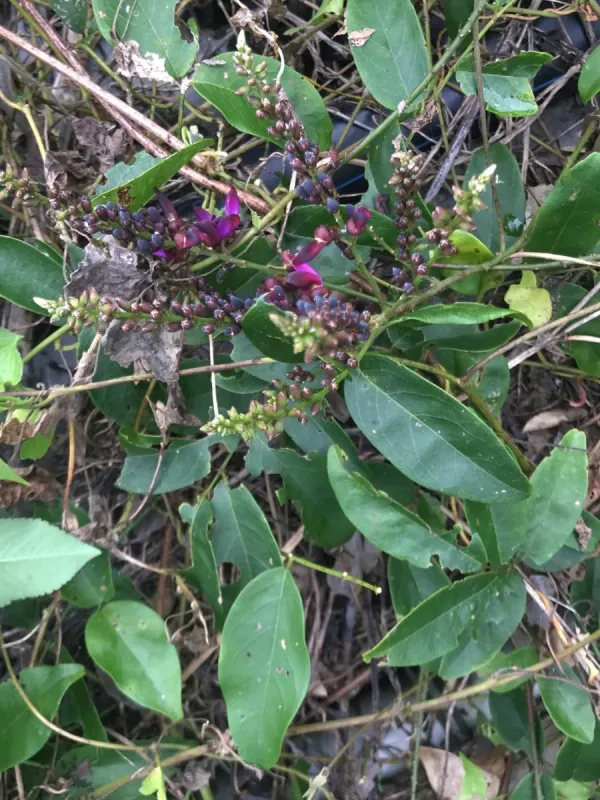
Description
Growing requirements
Callerya reticulata is a vigorous evergreen woody vine belonging to the Fabaceae family. Originating from the subtropical regions of East Asia, it is well-regarded for its climbing capabilities and dense, glossy foliage.
The plant thrives in warm, humid climates, making it an excellent choice for ornamental landscaping in subtropical zones. It requires protection from severe frost, as prolonged exposure to freezing temperatures can cause significant damage to its structure.
Regarding soil conditions, Callerya reticulata prefers well-drained, nutrient-rich loamy soil. It does not tolerate waterlogging, which necessitates careful site selection and the potential inclusion of drainage material in the planting hole.
As a climbing species, it requires strong support structures. It is commonly used to cover walls, pergolas, and fences, where its stems can utilize twining habits to climb effectively towards the light.
Maintenance includes periodic fertilization during the growing season and strategic pruning. Pruning is essential not only for managing the size of the vine but also for promoting a denser, more vigorous growth habit.
Main diseases and pests
Common plant health issues include fungal infections like powdery mildew, which are often triggered by high humidity levels combined with stagnant air around the canopy of the vine.
Pests such as spider mites and scale insects frequently target the leaves and stems. Regular inspection is necessary, as these pests can rapidly sap the plant's vitality if left uncontrolled.
Integrated Pest Management (IPM) strategies, including the use of horticultural oils or systemic insecticides, are recommended when infestations are detected early in the season.
Root rot is a major threat in soils with poor drainage. Ensuring that the soil structure remains aerated and loose is the best preventative measure against soil-borne pathogens.
Maintaining proper hygiene by removing dead or diseased stems helps prevent the spread of infections and keeps the vine in a robust, productive condition throughout the year.