
Archidendron jiringa
Archidendron jiringa
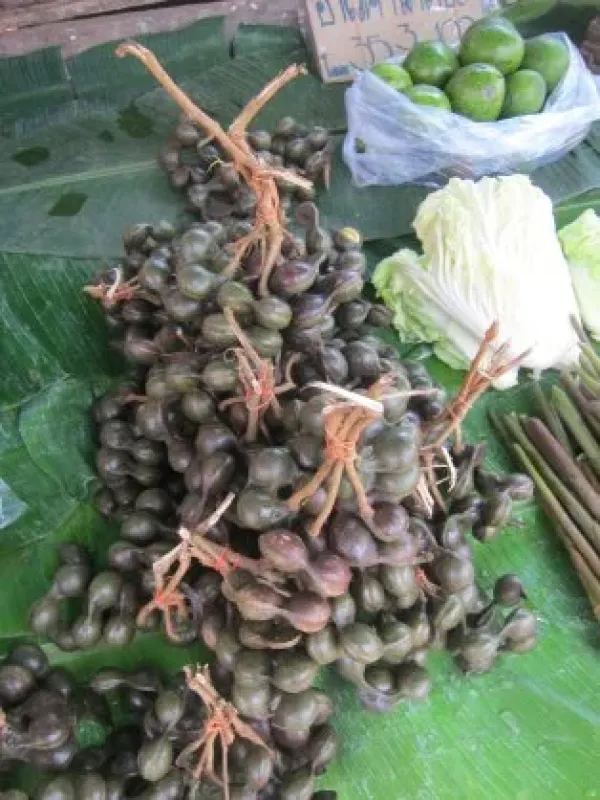
Description
Sowing dates
Propagation of Archidendron jiringa is primarily achieved through seeds. Seeds should be sown in well-drained, nutrient-rich soil immediately after extraction from mature pods, as they possess relatively low viability when stored for extended periods.
The sowing process requires maintaining temperatures between 25 and 30 degrees Celsius. It is crucial to ensure consistent moisture in the substrate until germination, which typically occurs within two to four weeks after planting.
In its natural habitat, young Archidendron seedlings require partial shade, which protects them from intense, direct solar radiation during their first months. As the plant adapts to the environment, light intensity can be gradually increased.
Transplanting young trees to their permanent location is best conducted at the beginning of the rainy season. This provides the seedlings with sufficient moisture for effective root establishment before the onset of the dry season.
Planting density on farms must account for the substantial size of the mature tree, which can reach heights of up to 20 meters, necessitating a minimum spacing of at least 8 to 10 meters between individual trees.
Growing requirements
Archidendron jiringa is a tropical tree species belonging to the Fabaceae family. This tree prefers humid tropical rainforests where rainfall is distributed relatively evenly throughout the year.
The optimal soil for cultivating this crop consists of deep, well-drained loams with a near-neutral pH. The plant does not tolerate waterlogging in the root zone, which can easily lead to the development of root rot.
The temperature range necessary for active growth varies between 22 and 35 degrees Celsius. The Archidendron does not tolerate frost and is extremely sensitive to even short-term temperature drops below 10 degrees.
The crop is light-loving, although it prefers partial shade during early development stages. Mature specimens are capable of thriving under bright sunlight, which is a critical condition for high-quality fruit yields.
In addition to climate requirements, the plant needs protection from strong winds that can damage the fragile canopy and reduce overall tree productivity. Planting sites should be sheltered by natural windbreaks or forest belts.
Yield
Yield production of Archidendron jiringa begins when the tree reaches 5 to 7 years of age. The productivity of a single mature tree can range from 50 to 150 kilograms of pods, depending on the tree's age and management conditions.
Fruiting occurs seasonally, often twice a year depending on local climatic rhythms. Harvesting requires caution, as the pods have a distinct, pungent odor and are prone to rapid spoilage if the outer shell is damaged.
Harvest quality is determined by the ripeness of the pods: for culinary purposes, fully formed but firm pods are selected. Overripe pods often become excessively tough and develop an overwhelmingly sharp aroma.
Specialized potassium and phosphorus-based fertilizers applied during the flowering and fruit-setting stages can significantly increase yield metrics and the size of the seeds, which are the crop's primary economic value.
Global yield statistics for this crop remain fragmented, as the plant is more commonly grown in home gardens and smallholdings rather than on large-scale commercial agricultural plantations.
Main diseases and pests
The primary threats to Archidendron are fungal infections arising from poor humidity management. Excessive soil moisture triggers the development of phytophthora and various root rots that affect the tree's vascular system.
Pests such as larvae of various weevil species can seriously damage the pods. They penetrate the inside of the beans, rendering the crop inedible, which requires preventative insecticide applications during the fruit-set period.
Aphids and whiteflies can also attack young shoots and leaves, sucking sap and stunting tree growth. Regular phytosanitary monitoring of the plantations allows for the timely detection and control of these pest infestations.
Soil-borne nematodes represent a hidden threat to the root systems of young seedlings. Using healthy planting stock and implementing crop rotation are key preventative measures against these pathogens.
Poor agricultural practices, specifically nutrient deficiencies, make the tree more susceptible to secondary infections. Balanced fertilization strengthens the plant's immune system and increases its resistance to biotic stress.
Harvesting
Harvesting of Archidendron pods is primarily performed by hand. Due to the tree's height, harvesters often must use ladders or specialized poles to cut the heavy clusters of pods from the upper canopy.
The optimal harvest time occurs when the pods reach a characteristic dark color and emit a specific odor, signaling that the seeds are mature. Harvesting too early leads to a loss of the seeds' desired flavor and aromatic profile.
After collection, the pods must be cleaned of their outer husks. Storage life for fresh, peeled seeds is limited to a few days; therefore, they are often dried, thermally processed, or preserved for longer storage.
Transporting the harvest must be done in ventilated containers to prevent the pods from self-heating and developing mold. In a humid tropical climate, this stage is critical for maintaining marketability.
Traditional harvesting methods involve the use of baskets woven from natural fibers, which ensure necessary airflow to the produce during transport from the tree to the initial processing facility.