
Archidendron clypearia
Archidendron clypearia
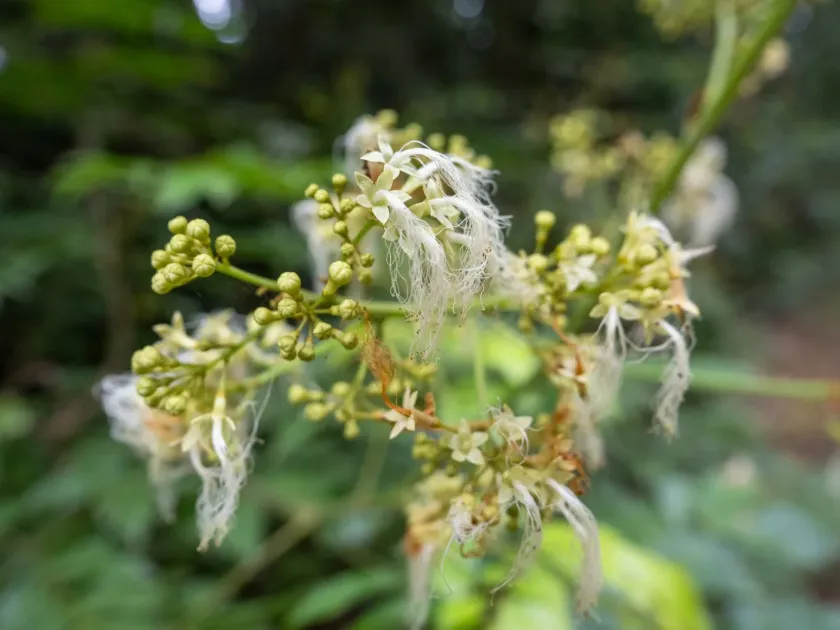
Description
Sowing dates
Archidendron clypearia is a fast-growing leguminous tree species native to the tropical forests of Southeast Asia. Cultivation begins with the selection of high-quality seeds, which are typically sown in well-prepared nursery beds to ensure a strong root start.
The sowing process is most successful when timed with the beginning of the wet season, allowing the seedlings to utilize the consistent rainfall for establishment. Seeds usually benefit from a short period of soaking in warm water to break dormancy and speed up germination.
Once the seedlings reach a height of 30 to 50 centimeters, they are ready for transplanting into the field. Proper spacing is essential, as the species tends to develop a spreading canopy that requires room for optimal photosynthesis and air circulation.
As a nitrogen-fixing plant, Archidendron clypearia is frequently used in agroforestry systems to naturally replenish nitrogen levels in the soil. This reduces the dependency on external chemical inputs in mixed-crop agricultural models.
Regular monitoring during the first year of growth is crucial to ensure that young saplings are protected from competitive weeds and can successfully compete for sunlight in their designated environment.
Growing requirements
Archidendron clypearia thrives in tropical climates characterized by high temperatures and high annual rainfall. It is not frost-tolerant and requires protection from extreme cold to maintain its physiological functions.
The soil should be fertile, well-draining, and rich in organic matter to support the rapid biomass production typical of this species. The plant is adaptable but performs best in slightly acidic to neutral soil conditions.
Full sunlight is preferred for mature trees, although the species exhibits moderate shade tolerance during its early development stages. Wind protection is necessary in exposed areas to prevent structural damage to the limbs and foliage.
Adequate soil moisture must be maintained, but practitioners should avoid waterlogging. Poor drainage is the leading cause of root-related failures in this crop, as it restricts oxygen availability to the root system.
The plant demonstrates excellent resilience in various tropical soils, largely due to its symbiotic relationships with mycorrhizal fungi and nitrogen-fixing bacteria that thrive in the root zone.
Yield
The primary yield from Archidendron clypearia is vegetative biomass, which serves as a valuable resource for green manuring. The leaves decompose relatively quickly, releasing nutrients back into the soil cycle.
The wood produced by the tree is generally soft but finds use in local communities for small-scale construction, tool handles, or as a sustainable source of firewood when managed in dedicated woodlots.
There is growing interest in the pharmaceutical potential of the plant, as several studies have identified bioactive compounds in the bark and leaves, including various flavonoids and saponins, which are being researched for medicinal applications.
In agroforestry systems, the secondary yield includes the improvement of environmental conditions for shade-loving cash crops, such as coffee or cocoa, providing a more stable microclimate and reducing soil erosion.
Seed production is generally secondary, but the seeds serve as important biological resources for restoration projects and the continuous propagation of the species within native reforestation efforts.
Main diseases and pests
Fungal pathogens represent the most significant threat to the health of Archidendron clypearia, particularly in environments with poor air circulation or chronic water saturation. Root rot is a common challenge for plantations.
Pests such as leaf-eating caterpillars and certain types of mites can cause localized damage to the foliage, which, while rarely fatal to mature trees, can significantly inhibit the growth rate of young saplings.
Bean weevils and other pod-boring insects may affect seed viability, making it necessary to implement integrated pest management (IPM) strategies to protect the future generation of the crop.
Preventative pruning is highly recommended to open the tree canopy, which reduces the buildup of humidity and provides better access for natural light to penetrate the inner layers of the foliage.
Maintaining a healthy soil ecosystem through organic mulching helps bolster the tree's natural immunity, reducing the need for aggressive chemical treatments that could disrupt the beneficial soil microbiome.