
Archidendron ellipticum
Archidendron ellipticum
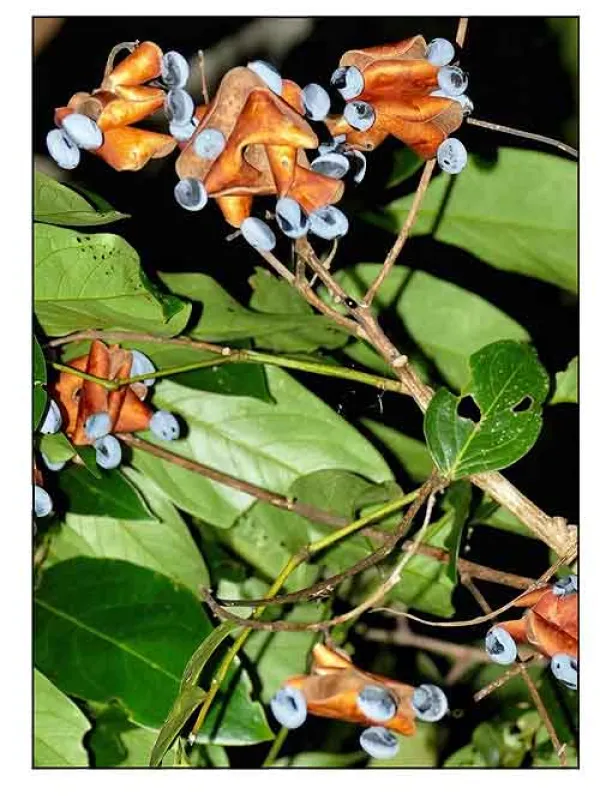
Description
Growing requirements
Archidendron ellipticum is a notable evergreen tree belonging to the Fabaceae family. Native to the tropical rainforests of Southeast Asia, this species is well-adapted to the high-humidity, high-temperature environments characteristic of regions like Malaysia and Indonesia.
The plant thrives in regions with consistent rainfall and warm weather throughout the year. It does not possess significant frost tolerance, which restricts its cultivation primarily to tropical and subtropical zones where environmental conditions remain stable.
Optimal growth is achieved in deep, fertile, and well-drained soils. While it can adapt to various tropical soil types, it performs best in substrates rich in organic matter that allow for healthy root respiration without waterlogging.
Botanically, the species is recognized by its distinct elliptical leaflets and showy inflorescences. As a member of the legume family, it often exhibits symbiotic relationships with nitrogen-fixing bacteria, which supports its growth in various soil conditions.
In terms of хозяйственное (economic) utility, the timber is utilized in local woodworking and construction. Additionally, it serves as an excellent component in agroforestry systems due to its biomass production and soil-enriching capabilities.
Main diseases and pests
Fungal diseases related to high humidity represent the primary threat to the health of Archidendron ellipticum. Root rot and leaf spots can proliferate if air circulation is insufficient or if the drainage system fails to manage heavy rainfall.
Various insects, including leaf-miners and wood-boring beetles, are known to impact tree vitality. Routine inspection of the trunk and canopy is essential to detect pest activity before it causes widespread structural damage.
Weed infestation presents a significant challenge during the initial stages of tree establishment. Aggressive ground cover can compete for light and nutrients, necessitating consistent manual or mechanical weeding around the base of the trees.
Defoliating caterpillars are common seasonal threats in native habitats. Managing these populations often requires monitoring and the strategic application of biological control methods to avoid chemical reliance.
Maintaining proper planting density is critical for long-term health. Overcrowding can lead to stress, reduced vigor, and increased susceptibility to opportunistic pathogens, thereby affecting the overall yield of the plantation.