
Archidendron lucidum
Archidendron lucidum
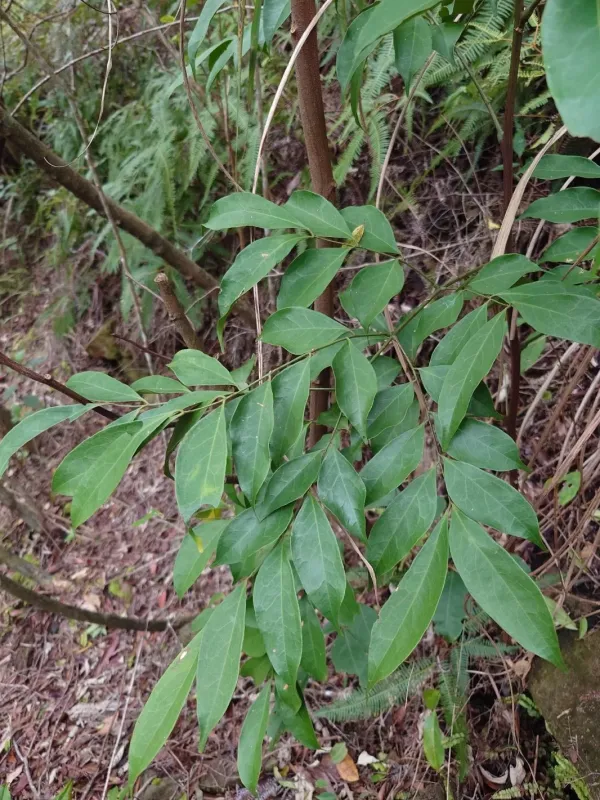
Description
Growing requirements
Archidendron lucidum is a distinctive evergreen tree belonging to the Fabaceae family. This species is well-regarded for its glossy foliage and its role within tropical ecosystems, where it contributes to biodiversity and soil health through natural processes.
The plant originates from the tropical zones of Southeast Asia and Southern China. Its growth is optimized in humid climates where temperatures remain consistently high throughout the year, avoiding any exposure to frost or prolonged dry spells.
For successful cultivation, the soil must be nutrient-rich and possess excellent drainage capabilities. Although the species is hardy in its native habitat, agricultural success depends on maintaining balanced moisture levels in the root zone to prevent fungal proliferation.
The plant demonstrates significant potential in agroforestry projects due to its ability to fix atmospheric nitrogen. By fostering symbiotic relationships with soil bacteria, the tree helps improve the fertility of the surrounding soil, benefiting neighboring crops.
Management practices for this culture include consistent pruning to maintain canopy health and structural integrity. Regular monitoring of growth rates in the early stages is crucial to ensure that the tree establishes a strong and stable root system.
Main diseases and pests
Major threats to Archidendron lucidum typically involve fungal infections such as root rot or leaf spot, which thrive in stagnant, humid environments. Maintaining adequate airflow around the foliage is a key preventive measure against these conditions.
Common pests include mites and scale insects, which can feed on the sap of young branches. Integrated pest management strategies are recommended to maintain plant vitality while minimizing the use of harsh synthetic chemicals in the plantation.