
Archidendron contortum
Archidendron contortum
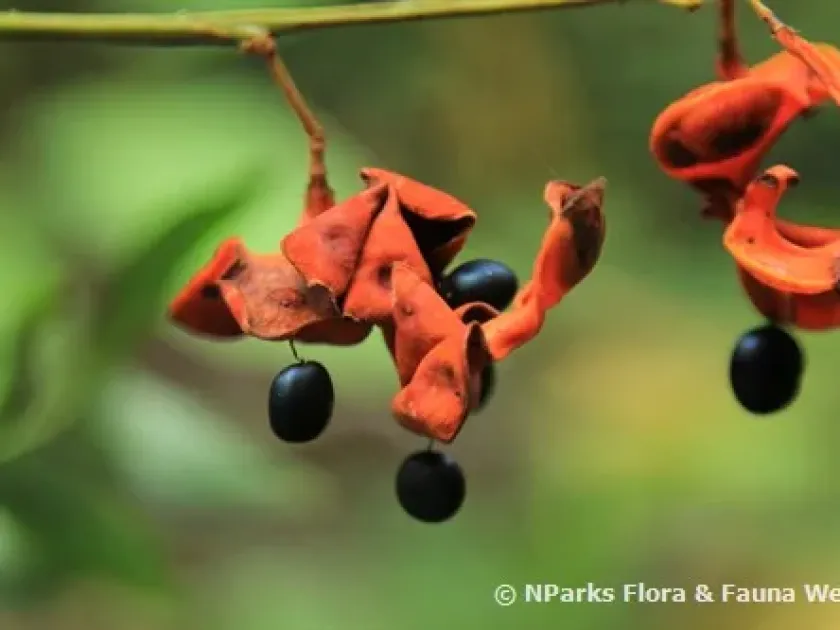
Description
Growing requirements
Archidendron contortum is a tropical tree species belonging to the Fabaceae family. Native to the humid rainforests of Southeast Asia, it is known for its distinct botanical structure and its role in local forest ecosystems.
This plant thrives in environments with consistently high temperatures and high humidity levels. It cannot tolerate frost and requires a tropical climate to maintain healthy growth cycles throughout the year.
Soil requirements for Archidendron contortum include deep, fertile, and well-drained substrates. The tree performs best in soils that are slightly acidic to neutral and have a significant content of organic matter.
It prefers filtered sunlight or partial shade during its early growth stages. Protecting the tree from intense, direct solar radiation and strong winds is essential to prevent leaf scorch and mechanical damage to branches.
Agronomic management relies on consistent irrigation, especially during the drier months. Maintaining constant moisture levels in the rhizosphere is crucial for the optimal development of this species.
Harvesting
The primary agricultural use of this species involves its role in agroforestry systems. As a legume, it contributes to soil nitrogen fixation, enhancing the fertility of the surrounding environment for other crops.
In certain regions, the seeds of the Archidendron genus are consumed as food after processing. While not a major commercial crop, it remains a part of traditional food systems in its native range.
Harvesting typically occurs when the pods reach full maturity, indicated by changes in color and texture. Manual harvesting is the most common method to prevent damage to the seeds and the remaining tree structure.
Post-harvest processing involves drying the seeds in shaded, ventilated areas to reduce moisture content and prevent fungal growth. Proper storage is vital to maintain seed viability for future propagation.
Limited use of the timber is observed in local handicrafts and small-scale construction. Its primary value remains its contribution to biodiversity and soil health within tropical landscapes.