
Archidendron grandiflorum
Archidendron grandiflorum
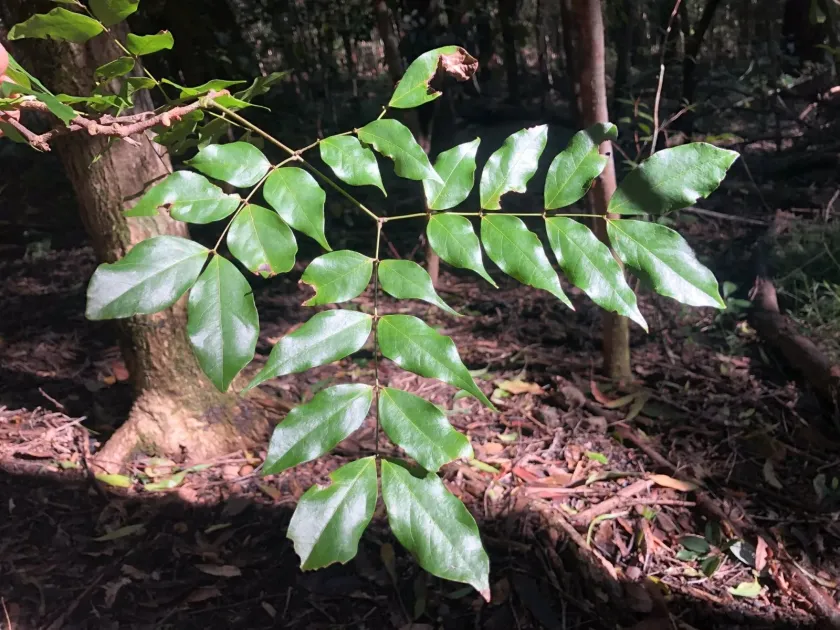
Description
Growing requirements
Archidendron grandiflorum, commonly known as the lace flower tree, is a species of flowering plant in the family Fabaceae. It is a striking evergreen tree characterized by its large, showy, powder-puff-like flowers that bloom in clusters.
The species is native to the rainforests of eastern Australia. It thrives in tropical and subtropical regions where the climate remains warm and humid throughout the year, allowing it to reach its full potential as an ornamental specimen.
Cultivation requires well-drained, nutrient-rich soil to ensure healthy development. The tree prefers slightly acidic to neutral soil conditions, which support the efficient uptake of necessary macro- and micronutrients for vigorous growth.
Water requirements are significant during the establishment phase. While mature trees possess a degree of tolerance, consistent moisture levels are essential during the growing season to support the production of its abundant and colorful blooms.
This tree is primarily valued for its high ornamental qualities. Its unique, spiraled seed pods and nectar-rich flowers make it a desirable choice for botanical displays, large private gardens, and ecological restoration projects in its native range.
Main diseases and pests
Common pests affecting this species include scale insects and mealybugs. These sap-sucking pests can weaken the plant and lead to the development of sooty mold, which impairs the photosynthetic capacity of the leaves.
Fungal leaf spot diseases are a concern in environments with poor air circulation or excessive humidity. Ensuring proper spacing and selective pruning to open the canopy helps mitigate the risk of infection and improves overall plant health.
Root rot is the most serious threat, particularly in heavy or waterlogged soils. As a member of the legume family, its roots are highly susceptible to pathogens when oxygen availability is compromised by standing water.
Management of these threats involves monitoring and early intervention. Integrated pest management, including the use of horticultural oils and systemic fungicides, is recommended to keep the tree in optimal condition without harming the environment.
Providing balanced fertilization and avoiding damage to the trunk or roots helps maintain the tree's natural defense systems. A healthy, well-nourished tree is significantly more resilient to the environmental stressors that often lead to pest outbreaks.