
Archidendron pauciflorum
Archidendron pauciflorum
Description
Sowing dates
Archidendron pauciflorum, commonly referred to as Jengkol, is a leguminous tree species native to Southeast Asia. Propagation is primarily achieved through seeds, which should be sourced from healthy, mature trees to ensure high germination rates.
Sowing is best performed at the onset of the rainy season to capitalize on natural soil moisture. Seeds are typically planted in nursery containers and kept in a shaded area until they develop a strong root system, usually within a few months.
The seeds should be buried at a depth of 3–5 cm in a rich, well-draining soil mix. Consistent moisture is vital during the germination phase, which typically concludes after 3 to 4 weeks depending on environmental conditions.
When transplanting into the field, spacing is crucial. Trees should be planted 7–10 meters apart to accommodate their expansive canopy growth and prevent overcrowding, which can lead to disease spread.
Proper field preparation involves clearing the site and adding organic matter to the soil to foster healthy growth. Providing windbreaks for young plants is also recommended in more exposed plantation sites.
Growing requirements
This tree is strictly tropical, thriving in regions with high humidity and temperatures between 24 and 32 degrees Celsius. It is highly sensitive to frost and will not survive in temperate climates.
The soil must be fertile, deep, and exhibit excellent drainage properties. While the tree can tolerate various soil types, loamy soils rich in organic matter provide the best yields.
Full sun exposure is preferred for mature trees to maximize photosynthesis and fruit production. However, young seedlings benefit from partial shade during their first year of development.
Adequate water is essential; while the tree prefers consistent moisture, it must not be subjected to waterlogged soil, as this significantly increases the risk of root rot and decline.
Maintaining high humidity levels is important, especially during the flowering and fruit-setting stages, to prevent the desiccation of sensitive reproductive organs.
Yield
Archidendron pauciflorum generally begins to bear fruit within 4 to 6 years of planting. The yield increases significantly as the tree matures and its crown expands.
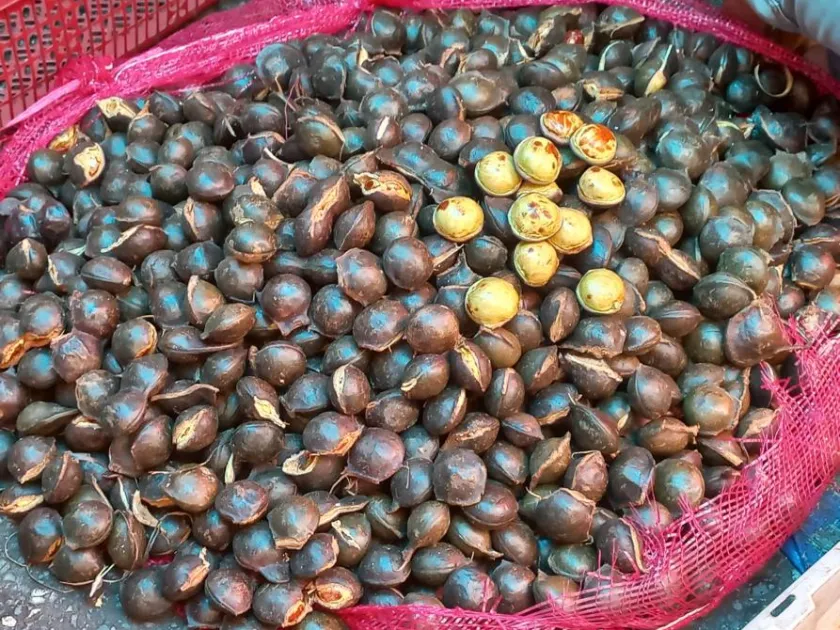
The fruits are characteristic twisted pods containing large, edible seeds. These seeds are a significant agricultural commodity, used extensively in regional culinary traditions for their unique flavor.
Annual yields per tree can be substantial, often producing hundreds of pods per season. Proper fertilization and pest management are critical to maintaining consistent productivity over many years.
The harvest cycle can vary depending on the local climate, with some regions observing two harvest periods per year. Effective pollination by local insect species is a major driver of yield success.
Quality control during harvest involves selecting pods that have reached the appropriate size and maturity level to ensure the seeds meet culinary standards for texture and taste.
Main diseases and pests
Pest pressure is a reality in Jengkol farming, with various borers and caterpillars capable of causing significant damage to the pods and foliage if left unmanaged.
Fungal diseases, including leaf spot and root rot, are common problems in high-humidity cultivation areas. Improving airflow through regular pruning is a standard preventive measure.
Root-knot nematodes can weaken the tree by attacking the root system, particularly in sandy soil environments. Soil amendments and crop rotation strategies help mitigate these risks.
Integrating biological controls, such as beneficial insects and fungi, is a sustainable way to manage threats without relying heavily on chemical pesticides.
Regular monitoring of the trees is essential for early detection of infestations. An integrated pest management (IPM) approach is highly recommended for commercial growers.
Harvesting
Harvesting is performed manually by skilled laborers who carefully cut the mature pods from the branches. Care must be taken to avoid damaging the fruiting nodes that will produce next year's crop.
Once harvested, the pods are brought to a processing area where the outer husks are removed to extract the seeds. The seeds are then cleaned and graded for market distribution.
If the seeds are not intended for immediate use, they may be sun-dried or processed to enhance their shelf life. Proper storage in cool, dry conditions is necessary to prevent spoilage.
Grading is based on seed size and skin integrity. Premium quality seeds are sought after for their robust flavor profiles and culinary versatility.
Logistics for harvesting and shipping should be efficient, as the fresh pods can be perishable and need to be processed soon after being detached from the tree.