
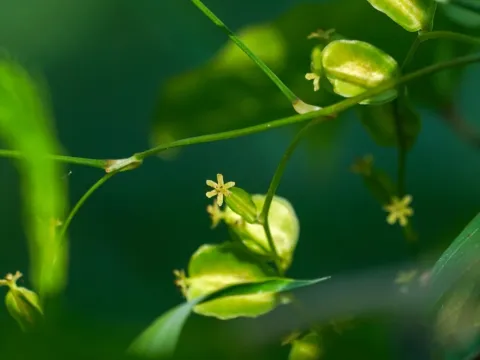
Tokoro Yam
Dioscorea tokoro
Dioscorea tokoro is propagated either via seeds or through the division of rhizomes during the early spring months. Seeds require a stratification process to break dormancy before they can successfully germinate in a controlled environment.
What the section contains
Tokoro Yam
The optimal time for sowing is late March or early April, ensuring that the soil is sufficiently warmed and the risk of frost has completely passed for the young plants.
When using rhizome segments, they should be planted in loose, nutrient-rich soil at a depth of 10 to 15 centimeters to encourage healthy and robust root development.
Spacing is a crucial factor for this climbing plant, and a distance of at least 50–60 cm between rows is recommended to allow for adequate airflow and plant growth.
Mulching the sowing area immediately after planting helps to maintain the necessary soil moisture levels and protects the emerging shoots from extreme weather fluctuations.
Dioscorea tokoro belongs to the Dioscoreaceae family and requires specific environmental conditions to thrive. It prefers well-drained, fertile soil with a neutral to slightly acidic pH balance.
While the plant thrives in bright, sunny locations, it can tolerate partial shade during its initial growth stages, making it suitable for diverse agroforestry systems.
As a climbing vine, the plant requires structural support such as trellises, nets, or stakes to grow vertically, which is essential for maximizing sunlight exposure and preventing foliage diseases.
Water management is vital; the plant requires regular irrigation during its growing phase but is sensitive to waterlogging, which can easily lead to root rot if the soil drainage is inadequate.
In regions with harsh winters, providing adequate insulation for the root zone using straw or other organic mulching materials is necessary to prevent the rhizomes from freezing.
The yield of Tokoro Yam is primarily determined by the biomass of the rhizomes, which accumulate high levels of bioactive saponins over several years of growth.
Commercial harvesting is typically conducted when the plants reach 4 to 5 years of age, as this is when the concentration of medicinal compounds reaches its peak.
Proper nutrient management, particularly the application of phosphorus and potassium fertilizers, significantly enhances the rate of rhizome expansion without compromising the quality of the raw material.
Yields are assessed based on the pharmacological quality of the roots, which necessitates careful harvesting and post-harvest handling to ensure the marketability of the produce.
Selective harvesting, where only a portion of the root system is removed, can support the long-term sustainability of the plantation and ensure continuous production over several seasons.
The primary threats to Tokoro Yam cultivation include fungal pathogens like anthracnose and root rot, which are often exacerbated by poor air circulation and excessive soil moisture.
Pests such as spider mites and aphids can infest the foliage, particularly during dry seasons, which weakens the plant and reduces its overall capacity for photosynthesis.
Integrated pest management strategies, including the use of appropriate biological controls, are highly recommended to keep infestations at a manageable level without harming the plant quality.
Weed control is essential, as invasive species can quickly compete with the yam for essential nutrients and water, often acting as secondary hosts for various plant diseases.
Strict hygiene practices, including the removal of infected plant debris after the growing season, are critical in preventing the buildup of pathogen spores in the soil for the following year.
The harvest of Dioscorea tokoro occurs in late autumn, once the above-ground vines have turned yellow and withered, signaling that the plant has entered its dormant period.
Excavation of the rhizomes must be performed carefully to avoid breaking the brittle roots, which are sensitive to physical damage and can oxidize rapidly if mishandled.
After being lifted from the soil, the roots must be thoroughly cleaned of any debris and soil particles, followed by the trimming of small, unusable lateral rootlets.
Post-harvest processing involves drying the roots at temperatures between 50 and 60 degrees Celsius to effectively stabilize the medicinal compounds and prevent spoilage.
Properly dried rhizomes should be stored in a cool, dry place with good ventilation to ensure that their pharmacological potency is maintained for an extended period.