
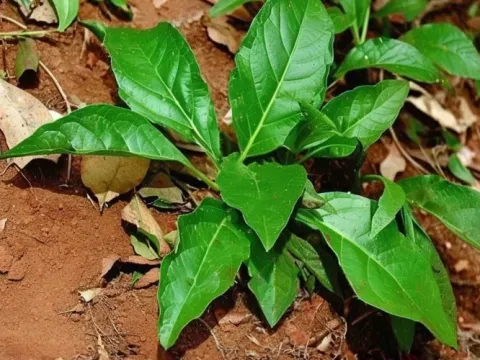
Trichopus zeylanicus
Trichopus zeylanicus
Trichopus zeylanicus is a perennial herbaceous plant belonging to the Dioscoreaceae family. In the wild, it is native to the dense tropical forests of Southern India and Sri Lanka.
What the section contains
Trichopus zeylanicus
The culture places high demands on air and soil humidity. The optimal environment for development involves shaded areas with organic-rich forest leaf litter, mimicking the conditions of the natural understory.
The soil must be slightly acidic or neutral with excellent drainage. The plant is extremely sensitive to direct sunlight and requires protection against the desiccation of its root system.
The climatic regime must remain consistently warm throughout the year without sharp temperature fluctuations. The plant does not tolerate frost or prolonged drought, necessitating consistent irrigation.
In terms of economic use, Trichopus is valued for its unique adaptogenic properties. Its leaves and fruits have been used for centuries by local populations to maintain vitality and combat fatigue.
The main threats to the crops are fungal diseases that develop under conditions of excessive moisture or poor ventilation in greenhouse environments.
Pests, such as mealybugs or spider mites, can cause significant damage when the temperature and humidity balance is disrupted in protected cultivation areas.