
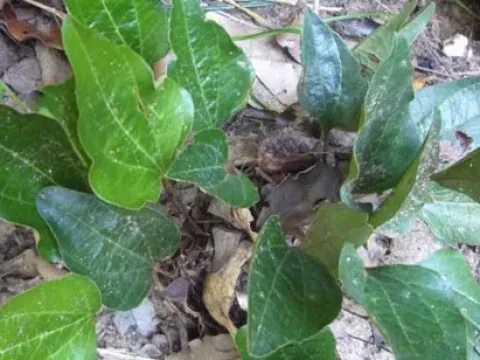
Trichopus
Trichopus
Trichopus zeylanicus is a unique rhizomatous herb belonging to the Dioscoreaceae family, primarily known for its adaptogenic properties in traditional medicine.
What the section contains
Trichopus
Propagation is usually achieved through seeds, which require a high-humidity environment and precise temperature control to germinate effectively within the nursery setting.
The sowing process involves using a well-draining, organic-rich potting medium, ensuring that the seeds are not buried too deeply to allow proper light penetration.
Success in sowing depends heavily on the freshness of the seeds and the maintenance of a consistent moisture level throughout the initial developmental stages.
Seedlings should be moved to individual containers once they develop their first set of true leaves, allowing them to establish a robust root system before transplanting.
Trichopus thrives in shaded, humid environments that mimic the floor of a tropical rainforest, making it a challenging crop for open-field agriculture.
The ideal soil conditions are characterized by high organic matter content, excellent drainage, and a slightly acidic to neutral pH balance for optimal nutrient uptake.
Temperature management is critical, as the crop prefers a narrow range between 22 and 28 degrees Celsius, avoiding exposure to direct sunlight or cooling winds.
Consistent atmospheric humidity, preferably exceeding 75%, is essential for maintaining the physiological health of the foliage and preventing plant stress.
Regular fertilization with organic compost provides the necessary micronutrients, though it must be applied sparingly to avoid salt accumulation in the root zone.
The primary threats to Trichopus include root and crown rot, which are often caused by poor drainage and excessive moisture saturation in the growing medium.
Pest pressures are largely dominated by spider mites, which can proliferate rapidly in environments where air circulation is poor and humidity levels drop.
Bacterial leaf spot is another common issue that necessitates strict sanitation protocols, including the removal of debris and sterilization of tools after use.
Implementing integrated pest management practices, such as the use of biological control agents, can mitigate the need for chemical pesticides on the crop.
Monitoring for early signs of fungal infection on the undersides of leaves is a crucial agricultural practice to protect the overall vitality of the plantation.
Harvesting Trichopus requires a methodical approach, with the primary focus on gathering high-quality rhizomes for medicinal or commercial processing.
Rhizome harvest is typically performed after the plant has reached its peak maturity, usually within two to three years depending on environmental conditions.
Leaf harvesting must be conducted selectively, ensuring that the plant retains enough photosynthetic surface to recover and continue its growth cycle.
Once harvested, the material should be cleaned thoroughly to remove any soil contaminants and dried using gentle heat to preserve its delicate bioactive compounds.
Proper storage in air-tight containers away from direct light is essential to maintain the quality and shelf-life of the final agricultural product.