
Schoenoplectiella
Schoenoplectiella Lye
Schoenoplectiella is a genus belonging to the Cyperaceae family. These plants are characterized as hydrophytes, having adapted their physiological processes to thrive in saturated soil conditions or directly in shallow water environments.
What the section contains

Schoenoplectiella
The genus has a broad distribution across tropical and temperate zones worldwide. They are typically found in wetlands, river margins, floodplains, and specifically within paddy field ecosystems, where they can occasionally become significant vegetation components.
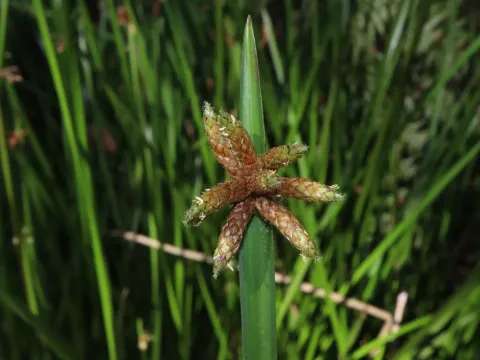
Botanically, they are identified by their cylindrical stems and highly reduced leaves. The inflorescences are distinct, often spike-like with prominent involucral bracts, which are critical for taxonomic identification of different species within the group.
Successful cultivation requires consistently moist or submerged growing conditions. Soils rich in organic matter and silt, maintained at a neutral to slightly acidic pH level, provide the best growth environment for these plants.
Economically, the genus is valued for phytoremediation purposes, as they effectively absorb excess nutrients from agricultural runoff, and for soil stabilization along water bodies, preventing erosion in riparian zones.
Various insect pests, including stem-borers and specific leaf-feeding larvae, pose a primary threat to the vegetative health of the plants, often causing significant damage during the peak growing season.
Fungal pathogens such as rust and various leaf spot diseases are common, especially when the plants are grown in high densities that restrict air movement and increase local humidity levels.
Root rot caused by Oomycetes or other water-borne pathogens can be a major issue, particularly when water flow is stagnant and oxygen levels in the substrate are depleted.
Competitive pressure from invasive aquatic weeds can hinder the establishment of the crop, necessitating integrated weed management strategies during the early stages of growth.
Effective management requires maintaining water quality, ensuring proper spacing between clusters to allow for adequate ventilation, and monitoring for signs of parasitic infestation.