
Schoenus pauciflorus
Schoenus pauciflorus
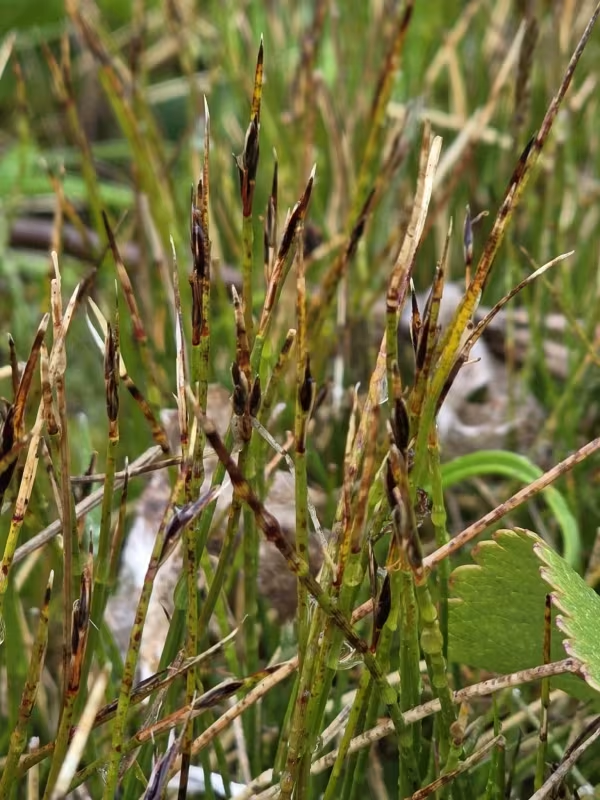
Description
Growing requirements
Schoenus pauciflorus is a perennial herb belonging to the Cyperaceae family. Native to New Zealand, this plant is primarily found in open, boggy environments and damp meadows where it thrives in dense, tufted clumps.
Botanically, it is characterized by its slender, stiff leaves which often display distinctive reddish-brown or bronze hues. The stems are upright, producing small, sparsely flowered spikelets, which gives the plant its elegant and minimalist appearance.
The cultural requirements for this plant focus on moisture management. It thrives in soils that remain consistently damp or even saturated, favoring acidic or neutral peat-rich substrates similar to its natural habitat.
Schoenus pauciflorus prefers cool, temperate climates and flourishes in full sun or light shade. Adequate light exposure is essential for maintaining the intense foliage color that makes this species desirable for horticultural applications.
In practice, its use is largely limited to landscape architecture, specifically for accenting artificial ponds, stream banks, and ecological restoration projects aimed at reclaiming marshy areas.
Main diseases and pests
As a specialized wetland species, Schoenus pauciflorus is generally robust and resilient against common agricultural pests. However, it can face challenges if moved into environments that deviate significantly from its natural needs.
The most common threat involves fungal diseases and crown rot, which occur when the plant is kept in stagnant, poorly aerated water for extended periods. This can weaken the plant's structure and lead to total dieback.
Invasive weeds are the primary competition for this species. During the establishment phase, manual weeding is necessary to ensure the plant can spread and form the desired dense clumps without interference from fast-growing species.
Insect pests are typically not a major concern. Occasionally, aphids or mites may affect the foliage, especially in greenhouse conditions or when the plant is stressed by prolonged heat and insufficient soil moisture.
To maintain plant health, it is recommended to monitor the water quality and substrate drainage periodically. Avoiding the overuse of nitrogenous fertilizers prevents excessive, weak growth that would otherwise make the plant more susceptible to pathogens.