
Schoenus calostachyus
Schoenus calostachyus
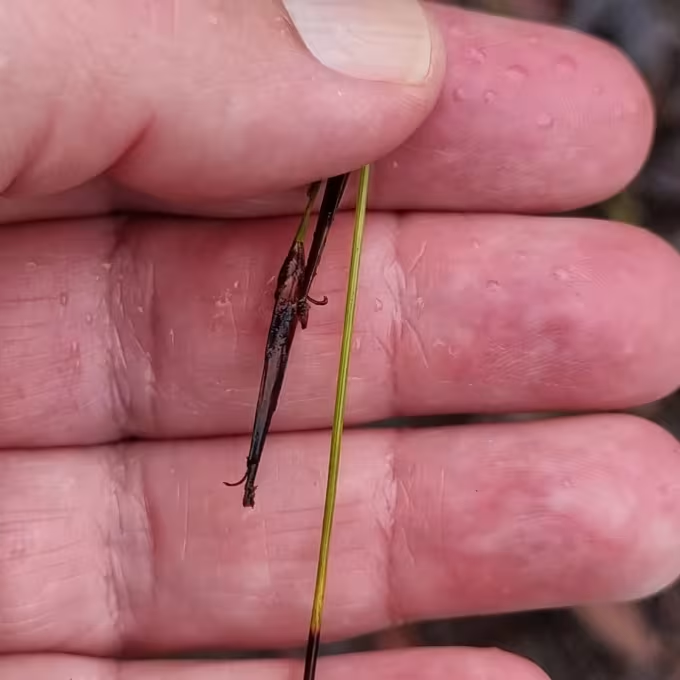
Description
Growing requirements
Schoenus calostachyus is a perennial herbaceous plant belonging to the Cyperaceae family. It is a distinct species known for its characteristic inflorescences and specialized growth requirements within its native Australian habitat.
This plant is primarily found in seasonal wetlands and damp grassland areas. Due to its unique aesthetic features, it is increasingly being recognized for its potential in niche landscaping and restoration projects involving aquatic or semi-aquatic zones.
Successful cultivation requires soil that retains high moisture levels. It thrives in loamy or sandy substrates that allow for some drainage, as the roots require oxygenation despite the plant's preference for humid conditions.
Regarding light, Schoenus calostachyus demands full sunlight to partial shade. Exposure to sufficient light is critical for the development of its stem structure and the maintenance of the vibrant coloration of its spikelets.
Agronomic management involves maintaining a consistent pH level, preferably in the slightly acidic to neutral range. Over-alkalization of the soil should be avoided, as it can lead to nutrient lockouts that inhibit healthy plant development.
Main diseases and pests
Root pathogens are the primary threat to this species, particularly when stagnant water creates anaerobic conditions in the root zone. Proper soil drainage is the most effective preventative measure against such infections.
Pests such as spider mites and aphids can infest the plants during warm, dry spells. These pests damage the foliage and sap the plant's energy, necessitating periodic monitoring and, if required, targeted pest management interventions.
Weed control is essential, especially in the early stages of growth when the plant is establishing its root system. Competitive grasses and broad-leaf weeds can quickly overshadow it, hindering its survival.
Nutrient deficiency, particularly regarding nitrogen and iron, can cause yellowing of the leaves. A balanced fertilization program tailored to the specific needs of sedge-like plants can help mitigate these issues.
Air circulation plays a crucial role in disease prevention. By maintaining appropriate spacing between individual plants, growers can reduce the likelihood of fungal outbreaks and ensure a healthier, more vigorous growth cycle.