
Brown bog-rush
Schoenus ferrugineus
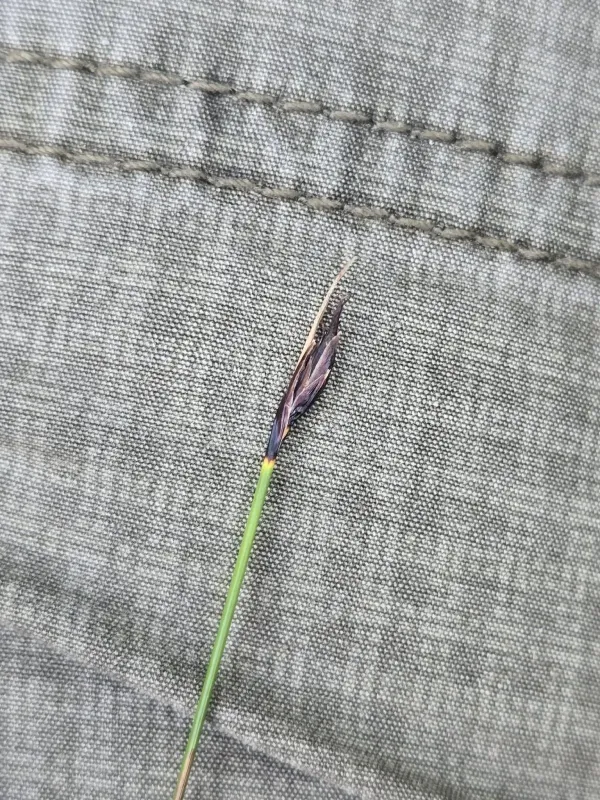
Description
Growing requirements
Brown bog-rush (Schoenus ferrugineus) is a perennial sedge of the Cyperaceae family. It is known for its dense tussock-forming growth habit and is a key indicator species for specific wetland environments.
The plant is native to various parts of Europe, predominantly found in calcareous fens and alkaline peatlands. Its distribution is strictly limited to habitats with high water quality and specific mineral contents.
In terms of soil requirements, this species needs alkaline to neutral conditions. The presence of calcium carbonate in the substrate is essential for the healthy development of its root system and stems.
Climate adaptability is high regarding cold tolerance, making it suitable for temperate regions. However, the plant requires consistent moisture levels throughout the growing season and cannot withstand prolonged drought.
Agricultural and landscape use of this crop is mainly focused on the restoration of degraded wetland areas. It plays a critical role in stabilizing peat soil and fostering biodiversity in artificial wetland projects.
Main diseases and pests
The primary threat to the stability of Schoenus ferrugineus populations is the drainage of wetlands for agricultural expansion. Hydrological changes destroy the fragile balance required for its growth.
Nutrient enrichment (eutrophication) poses another major risk. Increased levels of nitrogen and phosphorus from surrounding farmland encourage invasive weeds, which outcompete the bog-rush for light and space.
When grown in controlled environments, the plant is susceptible to fungal root pathogens. These infections are typically triggered by stagnant water and poor substrate aeration, leading to decay.
Pests such as specialized sedge-feeding insects can cause significant damage to the leaf structure. These outbreaks are more frequent when the plant is under environmental stress, such as low water levels.
Management strategies should focus on preserving the natural chemistry of the site. Avoiding the use of systemic pesticides is necessary, as the plant relies on a delicate balance of wetland microorganisms for its nutrient uptake.