
Schoenus brevifolius
Schoenus brevifolius
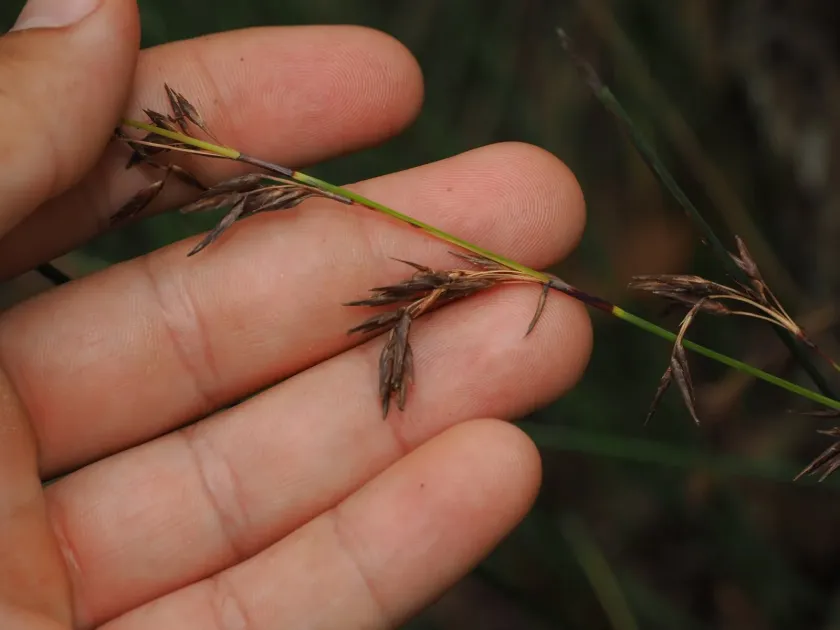
Description
Growing requirements
Schoenus brevifolius is a perennial herbaceous plant belonging to the Cyperaceae family. This species is well-adapted to wetland environments, functioning as a primary component of bog and peatland ecosystems across its native range.
The distribution of this species spans tropical and subtropical regions, including parts of Asia, Australia, and the Pacific Islands. It thrives in nutrient-poor, acidic soils that remain saturated with water throughout the growing season.
Cultivation requirements for Schoenus brevifolius prioritize maintaining a high water table. The plant exhibits high tolerance for waterlogged conditions where oxygen levels in the substrate are low, which limits the growth of competing vegetation.
The plant is characterized by a robust, fibrous root system and narrow, stiff leaves that are anatomically adapted to withstand the harsh conditions of open, exposed wetlands. Its reproductive strategy involves wind pollination, allowing for colonization of isolated moist habitats.
In modern land management, Schoenus brevifolius is recognized for its utility in stabilizing soil in sensitive wetland areas. Its biomass is occasionally utilized for traditional weaving and as an additive in sustainable soil amendment practices.
Main diseases and pests
The most significant threat to the survival of Schoenus brevifolius is the large-scale drainage of wetlands for agricultural development. The loss of consistent water sources directly leads to the rapid decline of local populations.
Fungal pathogens represent a major concern, particularly during periods of stagnant water and elevated humidity. These conditions promote the development of leaf spot diseases that can compromise the structural integrity of the foliage.
Insect pests, including stem-borers and root-feeding larvae, pose a chronic threat to the development of individual plants. Infestations often go undetected due to the inaccessible nature of the wetland habitats where the plants grow.
Invasive non-native species often outcompete Schoenus brevifolius when water quality fluctuates or when chemical runoff alters the soil pH. This shift in soil chemistry disrupts the delicate balance required for the species to thrive.
Climate change, manifesting in prolonged droughts, creates a stress-induced environment that makes the plant more susceptible to opportunistic pathogens. Such environmental instability significantly reduces the plant's natural resilience.