
Reuter sedge
Carex reuteriana
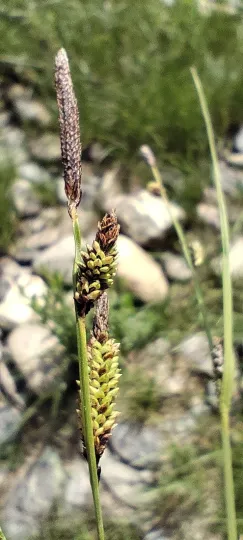
Description
Sowing dates
Reuter sedge (Carex reuteriana) is a perennial grass-like plant that can be propagated through seeds or vegetative division. Seeds require a cold stratification period to break dormancy and ensure uniform germination.
The ideal sowing time is early spring, immediately after the ground thaws. Planting the seeds at a shallow depth of approximately 1 cm allows for sufficient light exposure, which is essential for healthy sprout development.
When using vegetative propagation, dividing established clumps during the autumn promotes root development before the onset of winter dormancy.
Proper field preparation is crucial, as the sedge has a slow initial growth rate. Ensuring the seedbed is free from aggressive weed competition is vital for the survival of the seedlings.
A sowing density that allows for even coverage helps establish a dense sod, which is beneficial for both soil stabilization and biomass yield.
Growing requirements
As a member of the Cyperaceae family, this species is well-adapted to moist environments. It performs best in heavy, moisture-retentive soils that are common in low-lying agricultural areas.
The crop prefers locations with consistent moisture levels. While it can withstand temporary drought, its growth and biomass production are optimized when soil humidity remains high.
Reuter sedge is tolerant of a wide range of soil pH values, typically thriving in neutral or slightly acidic conditions. It demonstrates significant ecological flexibility in varied landscapes.
Light requirements are flexible; however, full sunlight encourages more vigorous leaf production compared to shaded environments, which can lead to reduced biomass.
The application of phosphorus and potassium-based fertilizers helps maintain crop health, especially when grown in soils where nutrient availability is limited by frequent flooding.
Yield
The biomass yield of Reuter sedge is strongly influenced by local environmental conditions and the water regime of the cultivation site.
In well-managed fields, the crop can yield up to 2-3 tons of dry matter per hectare. These figures can be increased through judicious fertilization and appropriate site selection.
Forage value is optimal when the plant is harvested during the flowering phase, ensuring a balance between nutritional content and biomass volume.
The plant exhibits high regenerative capacity, allowing for multiple harvests within a single season if environmental conditions and moisture levels remain favorable.
The dense root system provides stability to the soil, making this crop a dual-purpose asset for both fodder production and erosion control in wet areas.
Main diseases and pests
Reuter sedge is naturally resistant to many common agricultural diseases, largely due to the structural composition and chemical defenses of its leaves.
Fungal infections can occur if the plant is grown in overcrowded conditions with poor air circulation, particularly during prolonged periods of high humidity.
Soil-dwelling insects, such as wireworms, may cause occasional damage to the root system, although significant crop loss is rarely reported under standard agricultural conditions.
Preventative measures, such as proper spacing and removal of old debris, are usually sufficient to maintain a healthy stand without the need for chemical intervention.
Monitoring for signs of pest pressure in the early stages of growth is recommended to ensure the plant can establish its root system successfully.
Harvesting
The primary harvest for fodder should take place during the peak flowering stage to capture the highest nutritional value before the fibers become too coarse.
Mechanical harvesting equipment should be calibrated to maintain a specific cutting height, ensuring that the basal part of the plant is not damaged, which is vital for regrowth.
Harvested biomass must be dried efficiently. Because of its moisture-loving nature, the material retains water and requires good ventilation to avoid mold during storage.
Seed collection is a delicate process, performed by harvesting the spikelets once they transition to a brown color, signaling maturity.
Post-harvest storage should be in cool, dry areas to preserve the quality of the biomass for long-term agricultural use.