
Pycreus flavidus
Pycreus flavidus
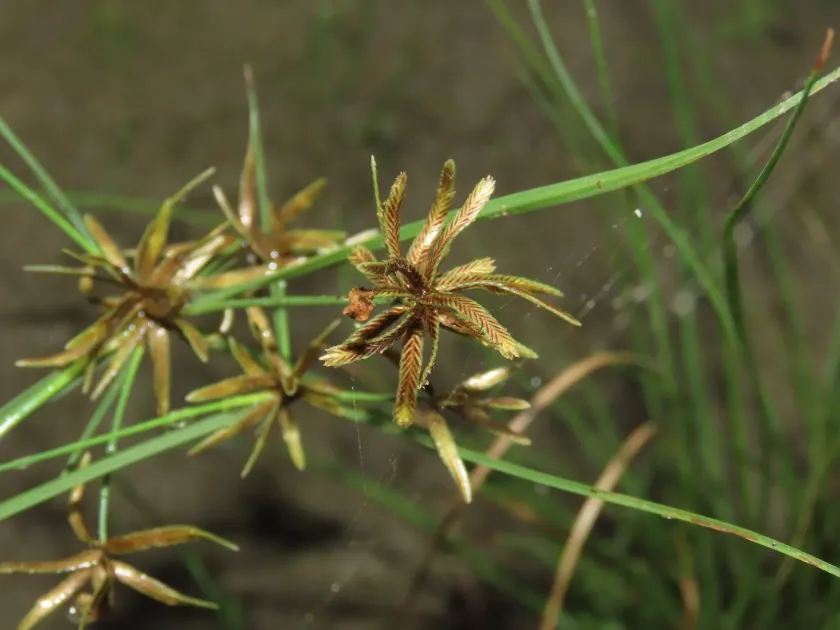
Description
Growing requirements
Pycreus flavidus is a member of the Cyperaceae family, commonly known as the sedge family. This perennial grass-like plant is recognized by its distinct yellowish inflorescences and its ability to thrive in aquatic or semi-aquatic environments.
Originating from Asia, the species is widespread in wetlands and regions with tropical or temperate climates. It is highly valued for its role in wetland ecosystems and its resilience in hydromorphic soils where most agricultural crops would fail due to waterlogging.
The plant requires high moisture levels and full to partial sunlight to reach its peak development. It is physiologically adapted to withstand saturated conditions, making it an excellent candidate for cultivation in marshy or flood-prone fields.
Soil requirements for Pycreus flavidus include nutrient-rich, heavy soils with high water retention capacity. It performs best in loam or alluvial soil types that maintain a stable pH level, preventing the depletion of essential micronutrients.
Agricultural management revolves around water level control and weed suppression. Since the plant is naturally vigorous, maintaining clear space around the crops is necessary to ensure efficient nutrient uptake and prevent competition from other invasive species.
Main diseases and pests
Common threats to this crop include fungal infections in the root zone, typically resulting from poor water circulation and stagnant conditions. Crop rotation and maintaining optimal soil health are the primary methods for reducing the impact of these pathogens.
Pest threats include stem-boring insects and aphids that can affect the quality of the foliage. Implementing timely monitoring and using ecological protection methods can effectively mitigate the damage caused by these organisms during the growing season.