
Pycreus pumilus
Pycreus pumilus
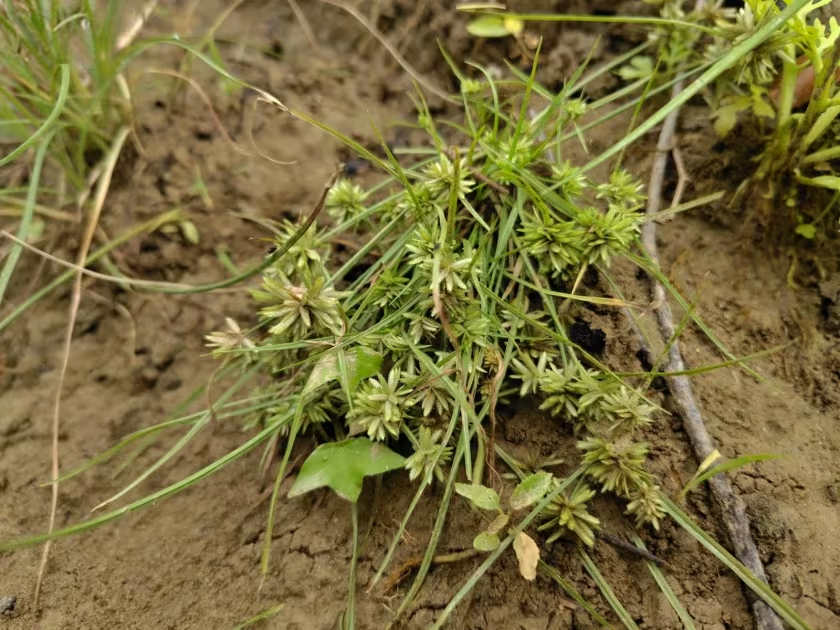
Description
Growing requirements
Pycreus pumilus belongs to the Cyperaceae family and is recognized as a small, annual sedge species. It thrives primarily in wetland environments, often found in rice paddies or near shallow water bodies, where moisture levels are consistently high.
The botanical structure of this plant features distinctive triangular stems and linear, grass-like leaves. These characteristics allow the plant to adapt to dense vegetation communities in riparian zones, where it competes for light and nutrients in soft, alluvial substrates.
Agricultural requirements for this species include high soil moisture content and access to silt-heavy soils. The plant is particularly resilient to waterlogged conditions, making it unsuitable for dryland farming but highly effective in naturally marshy agricultural landscapes.
Climatic preferences for Pycreus pumilus are strictly centered on tropical and subtropical regions. It requires consistent warmth and significant solar radiation throughout the growing season to complete its reproductive cycle effectively.
While not a primary cash crop, its presence is significant in sustainable land management. It serves as an ecological component of damp pastures, assisting in soil stability and moisture retention in areas where traditional cereal crops may face drainage difficulties.