
Pycreus rehmannianus
Pycreus rehmannianus
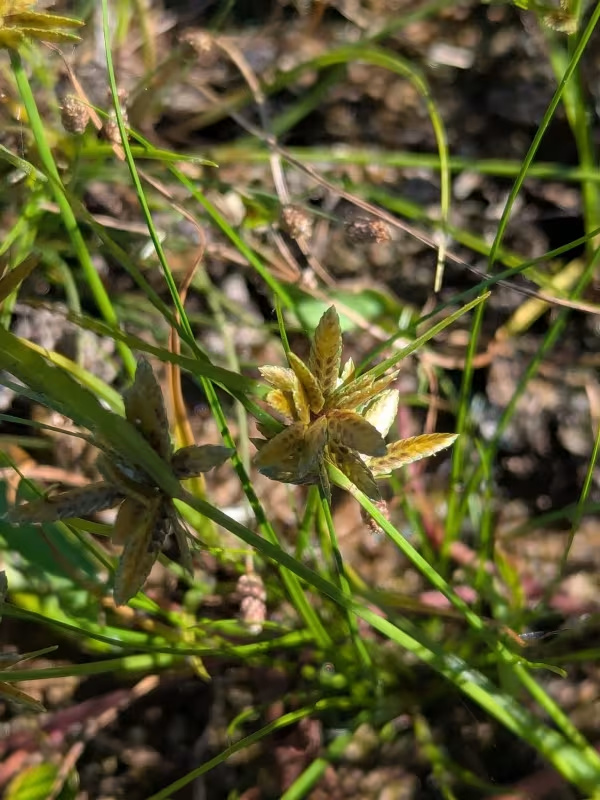
Description
Sowing dates
Sowing of this crop is typically carried out in the spring, once soil temperatures consistently reach 12–15 degrees Celsius. Due to the high water requirements of the seeds, consistent soil moisture is crucial for successful germination.
The recommended seeding rate is approximately 10–12 kg per hectare. Seeds should be sown shallowly, ideally at a depth of no more than 1–2 cm, as they require surface proximity to ensure rapid emergence.
Rolling the soil immediately after sowing is highly recommended to improve seed-to-soil contact. This practice promotes better water absorption and prevents the surface from drying out too quickly.
In regions with fluctuating spring weather, sowing can be delayed until early summer provided that supplemental irrigation is available to support the establishment of the seedlings.
As the plant is a perennial, careful consideration must be given to initial stand density to ensure the crop has sufficient space to tiller and form a healthy, dense cover in subsequent years.
Growing requirements
Pycreus rehmannianus belongs to the Cyperaceae family and is naturally adapted to wetland environments. It thrives in fertile, heavy-textured soils such as clays and silts that retain moisture effectively.
The optimal pH range for this species is between 5.5 and 6.5. High soil alkalinity can lead to nutrient deficiencies, specifically hindering the uptake of essential microelements like iron and manganese.
Moisture availability is the most critical factor for this crop's health. It is highly tolerant of waterlogged conditions and can withstand temporary flooding, making it suitable for low-lying areas.
Full sun exposure is ideal for maximizing biomass production, although the plant shows moderate tolerance to partial shading. Optimal light levels significantly increase the photosynthetic rate.
Nitrogen fertilization is essential during the vegetative growth phase. Supplying adequate nitrogen supports rapid leaf development, which directly contributes to the overall fodder yield of the crop.
Yield
The total biomass yield is heavily dependent on nutrient management and the frequency of irrigation. Under intensive cultivation, Pycreus rehmannianus can produce high volumes of forage material.
The harvest should occur during the heading stage when the plant reaches its peak nutritional value. Harvesting at the right time ensures a good balance of fiber and protein for livestock consumption.
With proper management and adequate moisture, it is possible to achieve two full cuts per growing season. This makes the crop an efficient source of supplementary forage for agricultural operations.
Nutritional quality is considered moderate, providing a reliable source of roughage. The value of the biomass can be assessed through standard feed analysis to adjust dietary supplements for livestock.
Yield estimates are based on weight per square meter of green biomass. Proper record-keeping of these yields allows farmers to optimize their land usage and plan winter feed reserves effectively.
Main diseases and pests
Fungal diseases are the primary threat to this crop, especially in high-humidity or poorly ventilated areas. Rust and leaf spot infections can damage the foliage and reduce overall forage quality.
Pests such as aphids and leafhoppers frequently target Cyperaceae species. These insects feed on plant sap and can weaken the stand, particularly during hot and dry spells in mid-summer.
Root rot remains a concern if the soil stays saturated while temperatures are low, which can inhibit the plant's natural defense mechanisms and lead to gaps in the crop stand.
Integrated Pest Management (IPM) practices, including crop rotation and the removal of infected debris, are essential. Pesticide use should be minimized to protect the safety of the forage.
Regular field scouting is recommended to identify localized pest outbreaks early. Timely intervention can prevent the spread of diseases and ensure the longevity of the perennial stand.
Harvesting
Harvesting is performed using standard mechanical mowers or forage harvesters. It is essential to mow at the correct height, usually 5–7 cm, to avoid damaging the base of the plant.
Drying the cut material to a moisture content below 18% is critical for preventing mold growth. Field curing should be done efficiently to maintain the nutrient composition of the hay.
For green fodder, the crop can be harvested throughout the growing season. This provides fresh, high-quality feed if the moisture levels are maintained through timely irrigation.
After curing, the forage should be baled and stored in a cool, dry, and ventilated area. Proper storage protects the feed from environmental elements and helps preserve its carotenoid content.
Using forage choppers during the harvest process improves the palatability and digestion for livestock, reducing waste and increasing the economic efficiency of the forage production cycle.