
Plantain-leaved sedge
Carex plantaginea
Description
Sowing dates
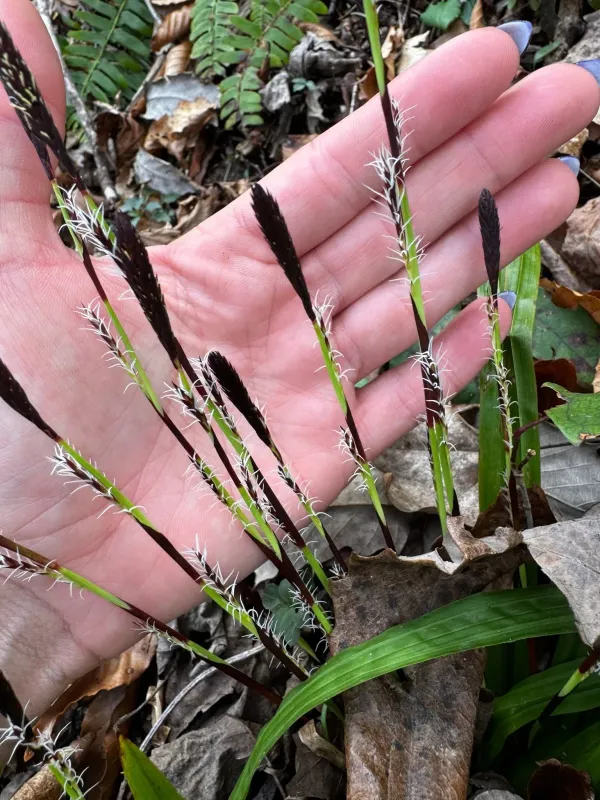
Plantain-leaved sedge (Carex plantaginea) is a perennial member of the Cyperaceae family. It is prized for its broad, evergreen, puckered leaves that resemble the foliage of the common plantain, making it a unique addition to woodland-style gardens.
Propagation is typically achieved through division of established clumps. This process should be conducted during the early spring or late autumn when the plant is not undergoing intensive heat stress, allowing roots to establish successfully.
Seeds can also be sown; however, they require a period of cold stratification to break dormancy. Sowing in late autumn for winter chilling is the most effective method for successful germination in the following spring.
When establishing a new planting site, it is crucial to prepare the soil by incorporating well-rotted organic matter. This improves soil structure and mimics the forest floor environment the plant prefers.
Spacing for individual plants should be around 30 to 45 centimeters apart to allow for proper airflow while eventually creating a dense, weed-suppressing ground cover as the clumps expand over time.
Growing requirements
This species requires consistent moisture to thrive. Unlike many other grasses, it does not tolerate drought and will show signs of stress, such as leaf tip browning, if the soil dries out completely.
The ideal soil profile for Carex plantaginea consists of nutrient-rich, humus-heavy loams that are slightly acidic to neutral in pH. Good drainage is essential, as the plant dislikes waterlogged, stagnant conditions.
Shade is non-negotiable for this plant. It is specifically adapted to low-light woodland conditions. Exposure to direct afternoon sun will cause severe leaf scorch and rapidly degrade the plant's aesthetic quality.
The climate requirements include protection from desiccating winds and excessive heat. It is hardy in cooler temperate zones and generally does not require winter protection once established in a suitable location.
Routine maintenance involves cleaning away dead or damaged leaves in early spring before new growth emerges. This promotes better air circulation and keeps the clump looking tidy and vibrant throughout the season.
Main diseases and pests
Carex plantaginea is generally considered a low-maintenance plant with few major disease concerns. However, in environments with poor air circulation, fungal leaf spots may occasionally develop during periods of high humidity.
Slugs and snails are the most prominent pests for this species. They are attracted to the broad, succulent-like leaves and can cause significant foliage damage if their populations are not managed in the garden.
Root rot can occur if the plant is situated in heavy, poorly drained soil. Ensuring that the planting site has adequate porosity is the primary method of preventing these physiological and pathogenic issues.
Occasional infestations of aphids may occur on young, tender growth during the early growing season. These are typically controlled by natural predators, but minor interventions might be necessary in specific cases.
Integrated pest management, such as maintaining garden hygiene and utilizing organic slug barriers, is highly effective in ensuring the long-term health and vigor of these sedge plantings.