
Pycreus tremulus
Pycreus tremulus
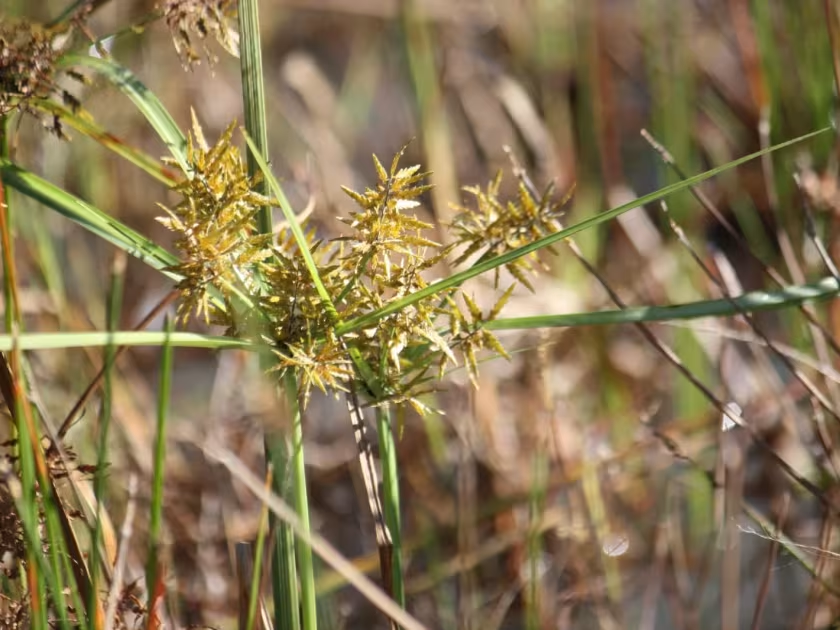
Description
Growing requirements
Pycreus tremulus is a perennial herbaceous plant belonging to the Cyperaceae family. It is a specialized species well-adapted to habitats characterized by high moisture content and fluctuating water levels.
The plant is native to tropical regions, particularly throughout Africa, where it thrives in swampy areas, river banks, and seasonal wetlands.
The primary cultivation requirement for this species is a consistently wet substrate. It shows high adaptation to heavy clay or silt soils that maintain high water retention capacity.
Botanical traits include a robust root system capable of enduring prolonged inundation, allowing the plant to colonize areas that remain waterlogged for most of the year.
Climate needs are strictly tropical. The species requires stable warm temperatures and intense light levels to maintain continuous growth throughout its vegetative cycle.
Yield
In terms of agricultural utility, Pycreus tremulus serves primarily as a forage resource for livestock grazing on wetland-adjacent lands in its native range.
The biomass productivity is largely determined by the hydrological regime; consistent moisture ensures that the plant remains palatable and available for consumption by herbivores.
Farmers utilize the species to maintain pasture coverage in low-lying areas where conventional forage crops would fail due to excessive moisture levels.
Sustainable grazing management is essential for optimizing the yield of this species, preventing overgrazing and ensuring the long-term regeneration of the plant population.
Beyond its value as fodder, Pycreus tremulus is an effective tool for soil stabilization, as its network of roots helps prevent the erosion of damp agricultural boundaries.