
Pycreus intermedius
Pycreus intermedius
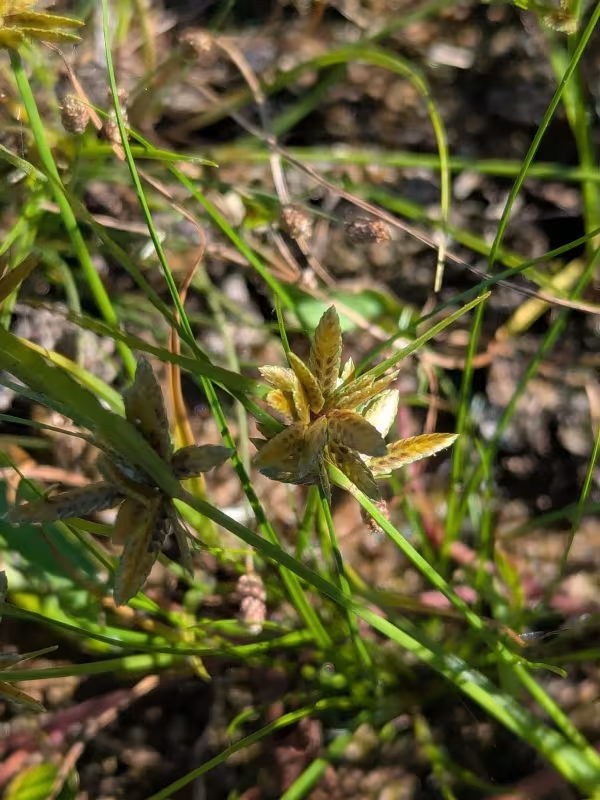
Description
Sowing dates
Pycreus intermedius, a member of the Cyperaceae family, is a specialized plant that thrives in moisture-rich environments. Sowing typically occurs during the transition from the rainy season when soil moisture levels are optimal, ensuring that seeds have the hydration necessary for successful germination.
Soil preparation is essential for a uniform stand; the field must be cleared of debris and tilled to a fine, granular consistency. Given the small size of the seeds, they should be surface-sown or covered with a very thin layer of fine soil to ensure adequate light exposure, which is crucial for triggering germination in this species.
Precision seeding equipment should be used to maintain an appropriate density, as overcrowding can lead to poor development of individual plants. Establishing a consistent row spacing also allows for better air circulation, which is critical for reducing the risk of fungal pathogens in a moisture-dependent crop.
After seeding, light rolling is recommended to improve the seed-to-soil contact, which accelerates moisture absorption from the damp ground. In areas where spring weather is inconsistent, additional light irrigation may be necessary to keep the surface layer moist until the seedlings are fully established.
The timing of sowing must be carefully synchronized with regional temperature patterns, as Pycreus intermedius requires consistently warm soil to achieve vigorous early-season growth. Failure to hit this window often results in stunted seedlings that struggle to outcompete natural grasses.
Growing requirements
The primary growth requirement for Pycreus intermedius is a habitat with sustained soil moisture, such as alluvial plains or managed wetlands. It performs exceptionally well in silty-clay soils that retain water effectively, provided there is adequate drainage to prevent long-term anaerobic conditions.
This species is photophilous, meaning it requires full sun to maximize its photosynthetic capacity and biomass production. Shaded areas should be avoided, as low light levels lead to elongated, weak stems and significantly reduced structural integrity in the plant's forage profile.
Optimal pH levels for this sedge range from slightly acidic to neutral. Periodic soil testing is advised to ensure that essential macronutrients like nitrogen and phosphorus are available, as these are the main drivers of rapid vegetative development in this specific taxon.
While the plant tolerates temporary flooding, it is sensitive to soil compaction, which hinders root penetration and water uptake. Periodic mechanical cultivation between rows helps maintain soil structure and allows oxygen to reach the rhizomes, supporting a healthier and more robust root system.
Climate considerations are paramount; while the plant is resilient, it prefers areas with high atmospheric humidity. In regions characterized by dry, desiccating winds, supplemental irrigation is often required to maintain the turgor pressure of the leaves and prevent premature senescence.
Main diseases and pests
Pycreus intermedius is susceptible to various rust fungi, particularly when stagnant air and high humidity are present. Integrated pest management strategies, such as prophylactic fungicide applications and ensuring proper stand density, are key to preventing widespread outbreaks.
Soil-borne pests, including certain species of nematodes and larvae, can severely compromise root health. Early detection is critical; therefore, scouts should inspect the root zones regularly to ensure that growth energy is not being diverted to fighting off subterranean infestations.
In dense stands, the accumulation of moisture within the canopy can foster the growth of mold and mildew. This is best managed by balancing nutrient inputs, specifically avoiding nitrogen excess, which encourages overly lush, succulent growth that is more prone to biological stress.
Weed management remains one of the greatest challenges, as competing grasses often grow faster in the same moist environments. Selective weeding or the careful application of herbicides is sometimes required to protect the crop during its early establishment phase before it gains dominance.
Viral infections, often spread by insect vectors like aphids or leafhoppers, can cause leaf chlorosis and stunted growth. Maintaining a clean field environment and managing nearby vegetation helps reduce the likelihood of these vectors colonizing the Pycreus stand.
Harvesting
Harvesting Pycreus intermedius is most productive when done at the peak of vegetative growth, ideally just before the transition into the reproductive phase. This ensures that the crop is harvested when it possesses the highest concentrations of digestible nutrients and structural proteins.
Cutting should be performed with sickle-bar mowers that can be adjusted to leave a stubble height of at least 5-7 centimeters. This height is essential to prevent damage to the rhizomes and to facilitate a quicker and more vigorous regeneration of the stand for subsequent cuts.
Post-harvest, the material should be spread thinly to promote rapid drying. Exposure to direct sunlight and sufficient airflow are necessary to reduce the moisture content to below 18%, which is the threshold for safe storage and the prevention of microbial decay.
Baling should only occur once the material has reached the target moisture content to prevent the risk of heating and spontaneous combustion in storage. Stacks must be kept in well-ventilated, dry areas to maintain the nutritional quality of the hay throughout the off-season.
If the target use is industrial fiber production, the harvest can be delayed until the stems are more mature and lignified. This provides a harder, more fibrous material suitable for specialized processing requirements, though it significantly reduces the palatability for any potential animal feed use.