
Pycreus polystachyos
Pycreus polystachyos
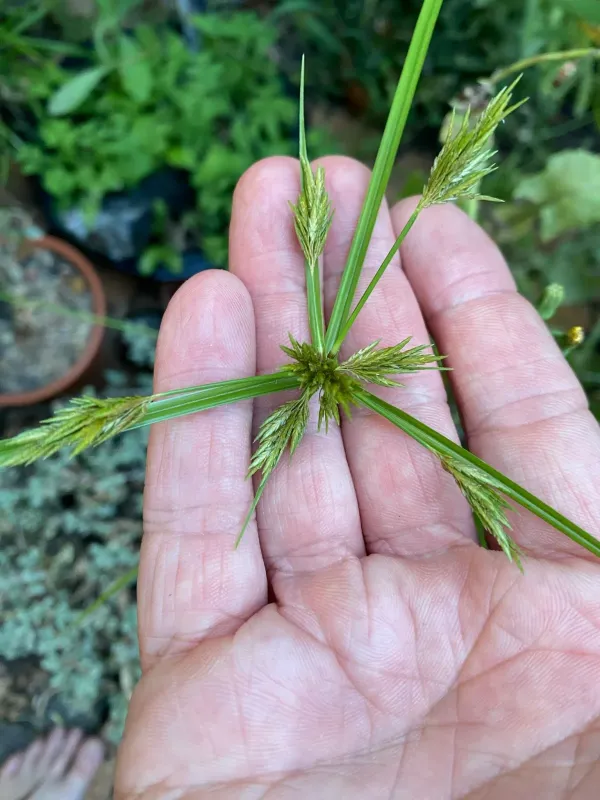
Description
Growing requirements
Pycreus polystachyos is a species of sedge belonging to the Cyperaceae family. It is a perennial herbaceous plant typically found in wet, swampy environments, including riverbanks and marshy agricultural lands globally in tropical and subtropical regions.
The plant exhibits high adaptability to moist conditions and thrives in habitats where other crops might suffer from root rot or excessive water logging. Its morphological structure includes a triangular stem typical of sedges and dense inflorescences of multiple spikes.
Regarding climate requirements, this species prefers warm temperatures and high humidity. It is highly responsive to soil moisture levels and light intensity, which directly influence its biomass production rate throughout the growing season.
Agronomic practices for managing this crop involve maintaining adequate water saturation in the substrate and managing surrounding vegetation to reduce competition for sunlight. The plant can regenerate quickly after harvesting, making it a viable candidate for sustainable green forage production.
In terms of agricultural utility, it serves not only as a potential livestock feed supplement but also as a plant species used for environmental remediation and soil stabilization in wetlands, helping to prevent erosion in sensitive habitats.
Main diseases and pests
Common threats to Pycreus polystachyos include fungal infections that manifest in stagnant water conditions. Proper site drainage or thinning of dense patches is essential to reduce the risk of pathogen outbreaks among the plants.
Pests such as stem-boring insects and leaf-eating caterpillars can compromise the health of the stand. Regular field monitoring is necessary to identify early signs of infestation and to prevent extensive damage to the crop.
Weed competition is a significant factor in the early stages of establishment. Mechanical intervention and manual weeding are often the most effective ways to ensure the crop establishes itself successfully against faster-growing native plants.
Abiotic stressors, including soil salinity and extreme heat, can hinder plant growth and make it more susceptible to opportunistic pathogens. Implementing a balanced nutrient management plan helps sustain plant vigor.
Sustainable pest management should prioritize cultural practices and biological control methods over chemical usage to preserve the ecological health of the wetland environment where this species is typically grown.